

Venetian Plaster Walls: Complete Guide to Natural Lime & Acrylic Finishes

Why Venetian Plaster Walls Are Everywhere Again
Venetian plaster is a luxury decorative finish made from fired limestone and marble dust, perfected in Venice centuries ago. At this moment, its popularity is surging worldwide across luxury homes, boutique hotels, and high-end restaurants. Scroll Pinterest and you will see it dominating every design board. A recent 2025 Los Angeles condominium project used polished venetian plaster walls throughout its lobby and penthouse units creating stunning surfaces that mimic natural stone but without the weight.
In this guide, we dive into authentic lime plaster as manufactured by Vasari Lime Plaster & Paint, plus modern acrylic venetian plaster alternatives. Vasari supplies materials and technical guidance to professional applicators and DIY homeowners across the globe. We answer the questions you are ready to ask - is venetian plaster expensive, is venetian plaster waterproof, and can it go over drywall?
What Are Venetian Plaster Walls? (Lime compared to Acrylic finishes)
Venetian plaster walls are decorative finishes made from slaked lime and marble dust, applied in thin, layered coats and burnished to resemble carved stone. The term "venetian plaster" is sometimes an umbrella for several related systems, but the core principle remains the same: ultra-thin layers built up and compressed with a steel trowel to achieve depth, movement, and a multi-dimensional surface with rich texture.
Traditional lime plaster is a natural product with no synthetic additives. It is naturally breathable and moisture-resistant, and it gradually re-carbonates into limestone over time, the same chemistry that has kept plaster walls intact in Italian buildings since the 1700s. Acrylic venetian plaster uses a synthetic resin binder instead of lime and behaves more like a high-build paint. Both can look smooth and glossy, but lime plaster offers a translucent, mineral sheen that shifts with the light - something acrylic versions cannot fully replicate.

Key Benefits of Venetian Plaster Walls (Beyond Just Looks)
Venetian plaster is chosen for performance as much as elegance. Here is what sets it apart from ordinary paint or drywall finishes:
-
Breathability. Lime-based plasters are naturally breathable and moisture-resistant, allowing water vapor to pass through the wall rather than trapping it behind a film. Research on lime-plastered interiors shows measurable humidity buffering compared with nonporous coatings.
-
Durability. Venetian plaster can last for decades when applied correctly. It is highly durable and resistant to wear, and historic examples from the 1700s continue to perform in Italian structures today.
-
Health and eco benefits. Venetian plaster has VOC values close to zero. It is eco-friendly and helps resist bacteria and mold thanks to its alkaline surface - suitable for chemically sensitive clients or WELL and LEED projects.
-
Aesthetic depth. Layered colors produce natural variation, from soft matte plaster walls to mirror-like high-gloss venetian plaster finishes.
-
Repairability. Minor scuffs can often be blended out or re-burnished rather than fully repainted, keeping walls beautiful for years.
Design Options & Popular Venetian Plaster Finishes
"Venetian plaster" covers a wide family of decorative finishes, from ultra-polished to softly matte and even urban-industrial. Venetian plaster can be finished to various sheens from matte to glossy, giving designers enormous creative range for any contemporary space.
High-gloss polished finishes, known as Veneziano, deliver a modern extra glossy venetian plaster with deep movement and reflection - perfect for feature walls in dining rooms, hotel lobbies, and statement entryways. At the other end, Marmorino offers satin and matte options. Marmorino can be finished to a medium shine using modest trowel movement. Matte finishes in warm white, greige, and clay tones are a trend that continues to dominate minimal interiors in 2025-2026.
Specialty effects expand the palette further. Some plasters contains mica powders for a metallic effect. Designers can also layer lime paint over plaster to add even more depth. Contact Vasari for custom color matching and sample board options, especially for large commercial or residential decorative project work.
Where to Use Venetian Plaster: Kitchens, Bathrooms, Fireplaces & More
Venetian plaster walls perform in both residential and commercial settings, though each room demands the right system. In bedrooms and living rooms, an unsealed lime finish develops a soft patina that adds warmth to any space. Entryways and stairwells are ideal because angled light grazes the surface and reveals the layered movement - a stunning effect hard to achieve with flat paint. Restaurant interiors and boutique hotel lobbies invest in venetian plaster for its tactile elegance.
In bathrooms and kitchens, the question of venetian plaster waterproof performance constantly comes up. Properly sealed venetian plaster is moisture resistant but not waterproof. For splash zones, lime plaster plus a mineral sealer provides practical everyday protection. Fully submerged areas like showers require specialized systems. Tadelakt is the only choice for plaster walls that come into direct contact with water.
Fireplaces are another natural fit. Lime-based venetian plaster resists low winter temperatures effectively and withstands temperatures over 300 degrees Celsius, making it suitable around active fireboxes where acrylic coatings may degrade. Always use correct substrates and professional application near heat sources. Vasari can answer your questions about products and applications for kitchens, powder rooms, and commercial restrooms through their business support resources. Our technicians can be reached by email at orders@vasariplaster.com and your questions will be routed to the best person. We can also be reached by phone at (805) 667-8454.
Installation Basics: Substrates, DIY vs Pro, and Cost Expectations
Venetian plaster is thin - every imperfection in the wall beneath will telegraph through a polished finish. Proper substrate preparation is essential for venetian plaster application. Recommended surfaces include new gypsum plasterboard, cement board, and existing plaster walls primed with a latex primer followed by Vasari mineral primer. Glossy paint, tile, or damaged walls must be leveled and cleaned before plaster is applied.
Can venetian plaster go over drywall? Yes, venetian plaster can be applied over prepared drywall provided joints are properly finished, the surface is sound and smooth, and the correct primer is used. For high gloss work, a Level 5 drywall finish is the baseline.
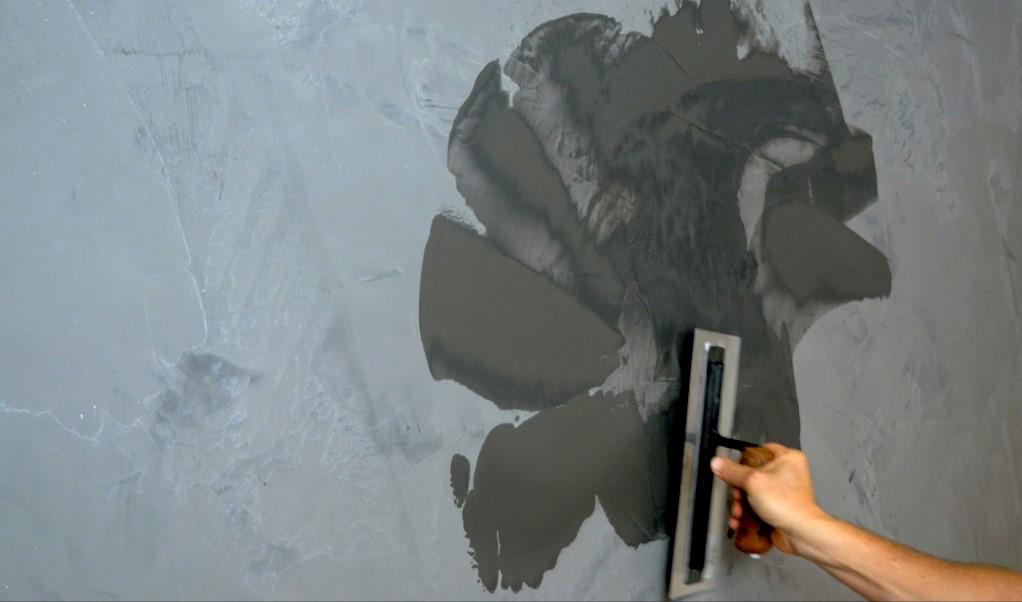
Applying venetian plaster requires patience, proper technique, and ultra thin coats. The basic process is as follows: prime, apply 2-3 thin coats, trowel for movement, then burnish. Burnishing creates a polished, marble-like finish. Consider waxing or sealing venetian plaster for added protection and sheen enhancement. Vasari provides instructions, training, and referrals to trusted applicators in many regions.
What does it cost? Installed venetian plaster typically runs $10 to $25 per square foot and higher in U.S. markets, varying by region, complexity, and finish level. For DIYers, the project price is much lower without labor costs. Plaster materials can be purchased directly from Vasari.
Care, Maintenance, and Long-Term Performance
Properly installed venetian plaster walls are low-maintenance and gracefully age. Routine care is simple - dust with a soft cloth and occasionally wipe with a damp cloth, avoiding harsh chemicals on lime plaster. In sealed kitchens and bathrooms, mild pH-neutral cleaners are generally acceptable but always verify with product data sheets and test a small, inconspicuous area.
Unsealed lime plaster is more porous and best for dry rooms, where it develops a beautiful patina over time. Sealed systems in splash zones improve the plaster strength and make the surface water and stain resistant enough for practical daily use. For touch-ups, small scratches can often be blended by a professional using the same materials and a trowel. Larger damaged areas often require localized application but not necessarily the entire room.
With the right substrate, products, and application, venetian plaster walls can outlast typical paint cycles by decades. Are you ready to explore venetian plaster for your next project? Reach out to Vasari Lime Plaster & Paint for project specific recommendations, sample boards, and access to technical data sheets. Worldwide shipping and support is available for every step from first touch to final burnish.


