

Lime Paint & Limewash Paint: A Beginner's Guide to Natural Wall Finishes

Introduction to Lime Paint & Limewash Look
If you've been searching for a wall finish that feels alive rather than flat and plastic, this beginner's guide to lime paint is for you. Lime paint is a mineral-based finish made from crushed limestone mixed with water and natural pigments, and it delivers something no standard wall paint can replicate: a soft, suede-like, chalky matte finish that shifts with the light and ages gracefully, developing an authentic patina over time.
At Vasari Lime Plaster & Paint, we manufacture authentic lime-based coatings from slaked lime, powdered marble, and fine limestone aggregates. These are not faux effects or diluted latex tricks. Our products support both professionals and DIYers who want the real thing: non-toxic finishes with zero VOCs, genuine depth and movement on walls, and compatibility with styles from modern Mediterranean to wabi-sabi to classic European interiors.
The limewash look you see across design magazines and social media is achieved with true limewash paint or high-quality lime paint, not watered-down acrylic. If you're ready to explore this ancient, naturally beautiful finish for your next diy project, read on. You can always contact Vasari directly for help selecting the right product for your space.
What Is Lime Paint and Limewash Paint?
Lime paint and lime wash are coatings made from slaked lime (aged lime putty), water, and mineral pigments. The tradition dates back at least to Roman times and ancient Egypt around 4000 BC, where lime was used for plastering, whitewashing, and decorative finishes.
The chemistry is straightforward. When wet, lime paint has a high pH (around 12), which gives it natural antimicrobial properties. As it dries, it absorbs CO₂ from the air through a process called carbonation, essentially turning back into limestone on your wall surface. Lime paint chemically bonds with porous surfaces through carbonation, creating a finish that is part of the wall rather than sitting on top of it. Limewash has a consistency similar to watered-down paint, while limewash is applied with a brush, and plaster uses a trowel for application.
The terms "lime paint," "limewash paint," and "lime wash" are often used interchangeably in interior design media, though purists draw distinctions based on thickness and formulation. What matters most is that authentic products use mineral binders, not plastic ones.
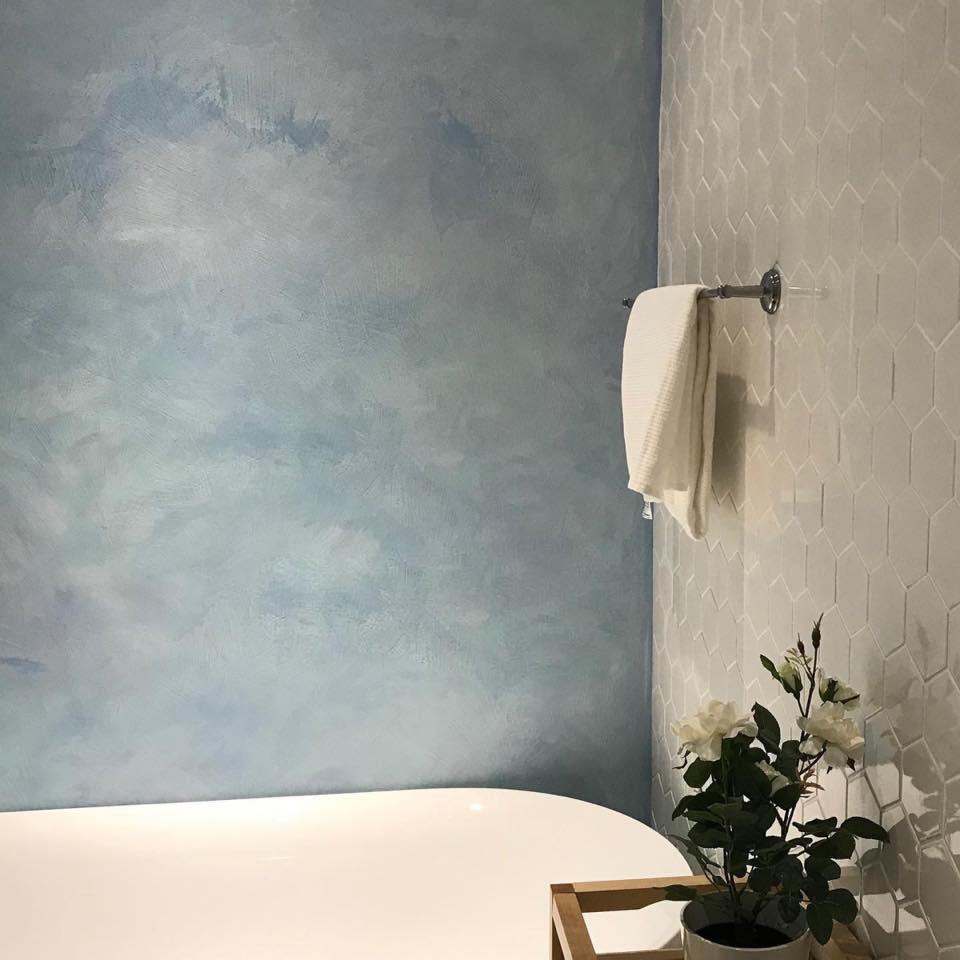
The contrast with regular acrylic or latex paint is significant. Standard paint forms a synthetic film on the surface that can trap moisture and peel over time. Lime paint breathes, bonds chemically, and produces natural variegation instead of flat, uniform color. Limewash dries lighter than it appears when wet, giving each wall a living, mineral quality. Vasari lime paint is formulated from slaked lime, powdered marble, and fine limestone aggregates for a velvety, mineral feel that no acrylic product can match.
Benefits of Lime Paint for Interiors & Exteriors
Homeowners, architects, and designers choose limewash paint for a combination of performance, health, and aesthetic reasons that standard coatings simply cannot deliver.
-
Lime paint allows the natural surface to show through, enhancing texture while providing a matte, velvety finish with natural variations across the entire wall.
-
It is mold and mildew resistant, ideal for various surfaces. Lime paint helps prevent mold growth due to its high alkaline pH, and it can improve indoor air quality due to its natural properties, including reducing odors.
-
Lime paint has zero VOCs, making it safer for indoor use. Lime wash paint contains zero VOCs as well, making it safer for health in any room of the house.
-
Lime wash is made from natural ingredients like limestone. It is eco-friendly, non-toxic, and low in volatile organic compounds. Lime wash paint is biodegradable and environmentally friendly.
-
Breathability and moisture management make lime paint ideal over lime plaster, masonry, and brick, helping walls breathe and reducing trapped moisture that damages conventional coatings.
-
Proper lime paint can last 10–15 years on interiors and ages gracefully outdoors. Vasari uses natural pigments and recycled marble aggregate (~40%), and can provide documentation for green building projects including LEED and WELL certifications.
-
Lime wash paint does not require a primer or sealant on compatible porous mineral substrates, simplifying application.
-
Lime paint pairs well with other natural finishes such as Venetian plaster, Marmorino, and Tadelakt, all offered by Vasari for cohesive project design.
Limewash Paint vs Other Wall Finishes
Many people confuse limewash paint with other decorative coatings, and social media tutorials sometimes promote "faux limewash" made from regular paint and glaze. Understanding the differences helps you choose the right material for your project. Vasari focuses exclusively on authentic mineral systems.
Standard interior wall paint (acrylic/latex) forms a plastic film on the surface and delivers flat, uniform color. It typically lasts 5–10 years on exteriors before peeling or chalking. Limewash paint, by contrast, bonds into the substrate, breathes naturally, and fades softly rather than failing. The texture and depth of lime paint cannot be replicated with conventional paint.
Venetian plaster (polished plaster) is a thicker mineral finish applied in multiple layers and burnished to a sheen. Plaster creates a stone-like appearance, unlike limewash, which is thinner, more translucent, and more diffuse. Lime paint can be polished to a shine, unlike limewash, which stays matte and clouded. Venetian plaster requires more labor and skill but delivers a denser, more opulent result on feature walls.
Marmorino and Tadelakt are thicker lime plasters with different textures and water resistance. Marmorino offers a semi-polished, medium-grain look. Tadelakt is a waterproof lime plaster system for wet rooms, polished and soap-burnished to create a water-resistant surface that simple limewash cannot achieve. Vasari can help spec full wall systems including mineral primers, lime paints, and compatible plasters for different substrates and performance needs.
Color & Design Options with Limewash Paint
Limewash paint tends toward soft, mineral colors but still offers a wide, customizable palette. Lime wash comes in off whites, greys, blues, and greens, along with warm earth tones, clays, and charcoals. Vasari offers over 60 exclusive colors through its color atelier and chart, and can custom-tint lime paint to match specific design schemes. Specialty lime wash colors like pink or yellow may be harder to find, but Vasari's range accommodates most design visions.
Color reads differently in limewash versus standard paint because of variation, texture, and the way light grazes the surface. A lighter color will appear to shift throughout the day as natural light moves across the wall. Brighter lime wash colors can stimulate happiness in a space, while deeper tones create drama and warmth. Lime wash colors can affect the emotions felt in a home, so choosing intentionally matters.
Popular color families include:
-
Neutrals (warm off-whites, bone, cream) for calm bedrooms and living spaces
-
Stone greys and greiges for modern, minimalist interiors
-
Muted sage greens and soft blues for accent walls
-
Deep earth tones (terracotta, ochre, charcoal) for dramatic rooms with a darker, richer feel
Test samples and on-site mockups are strongly recommended. Order sample boards before committing to a whole room. Layering two close colors in the first coat and second coat can create subtle movement for a more complex limewash look.
Surface Preparation: Getting Walls Ready for Limewash
Proper prep is critical for adhesion, even drying, and a beautiful finish, whether it's a professional install or a diy project.
-
Ideal substrates include new lime plaster, traditional stucco, unsealed brick, stone, and other mineral-based surfaces that are sound and clean. Lime paint can be applied to various porous surfaces including plaster, brick, stone, and drywall.
-
For previously painted surfaces or sealed new drywall, apply a compatible mineral primer to bridge from acrylic to mineral system and ensure proper bonding.
-
Repair cracks, fill holes, and sand rough patches. Remove grease, dust, dirt, and loose paint before priming.
-
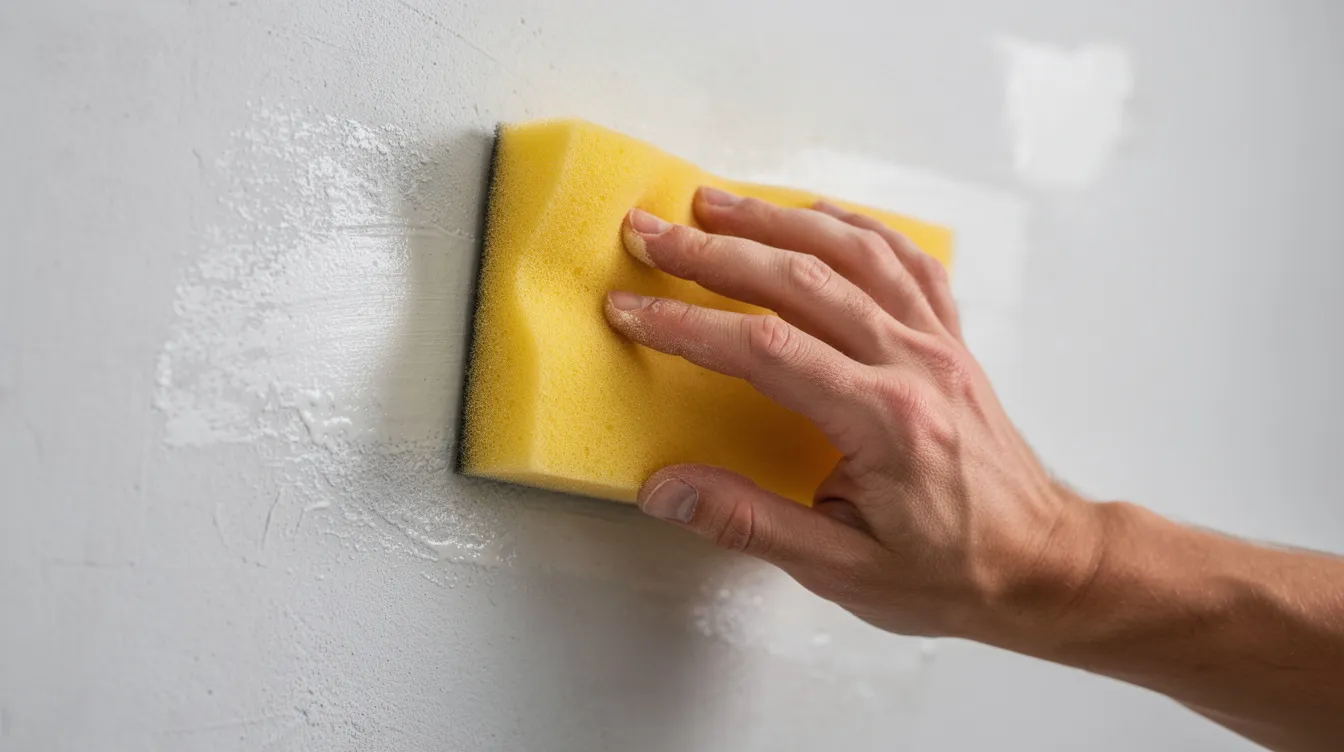
Clean the wall surface thoroughly. A sponge with mild soap and water works for removing surface contamination.
-
Test a small area for suction and color before full application, particularly on older masonry or patchwork walls.
-
Use painters tape to protect trim, doors, ceiling edges, and corners before starting.
Step‑by‑Step: How to Apply Limewash Paint (Beginner-Friendly)
This beginner's guide section is aimed at homeowners and designers managing a small DIY project, though professionals will find the sequence equally relevant. Most projects follow a simple progression: prep, prime (if needed), first coat, second coat, and optional adjustments. Vasari provides detailed lime paint instructions and can advise on specific substrates, climates, and project conditions. Working with real lime requires basic protective gear-gloves and goggles-because it is alkaline when wet.
Tools & Materials You'll Need
Gather these before you start:
-
Large natural or synthetic block brush for main coverage, smaller sash brush for edges and corners
-
Mixing bucket, drill mixer (optional), paint tray
-
Drop cloths to protect the floor, painters tape, ladder
-
Chosen limewash paint or lime paint, mineral primer (if required), clean water for dilution and cleanup
-
One gallon of lime paint covers approximately 400 sq ft per coat. Order extra to allow for a third coat or touch-ups. For larger projects, consider the 5-gallon option.
Mixing and Testing the Limewash Paint
Many lime paints are supplied ready-to-use but need thorough stirring. Others arrive concentrated and are mixed and diluted with water per product instructions. Stir from bottom to top until pigments and fines are uniformly suspended. Re-mix periodically during application, as solids settle naturally.
Apply a small test patch-at least 2 ft × 2 ft-with both first coat and second coat to evaluate final color and texture once fully dry. Limewash typically dries lighter than it looks wet, so wait at least 24 hours before judging the sample. What looks darker when damp will settle into a softer, lighter tone once carbonation begins.
Applying the First Coat
-
Dampen the wall lightly if recommended by the product instructions-this helps control absorption on thirsty substrates.
-
Load the block brush from the paint tray and apply the first coat in loose x strokes or multi directional strokes, working from one side of the wall across. The goal is coverage, not perfection.
-
The first coat acts almost like a mineral stain: it will look patchy and transparent, which is completely normal. Keep a wet edge and work in manageable sections to avoid hard lap marks.
-
Allow the coat to dry completely-typically 4–12 hours depending on humidity and temperature. Lime paint should dry for 12 hours between coats for best results. Avoid forced rapid drying with fans or heaters.
Applying the Second Coat (and Optional Third Coat)
The second coat brings coverage and character. Lime paint typically requires two coats for best results, building from translucent to a soft, slightly clouded opacity. Use the same x strokes technique but with lighter pressure and mindful blending to avoid sharp edges or heavy patches. Use multi-directional strokes and brush strokes that overlap naturally.
For a light neutral project-say bone or greige on a bedroom wall-two coats typically achieve the desired depth. For deeper earth tones or a more dramatic space, a third coat can be applied directly to intensify the color or integrate a subtle secondary shade for layering and variation. Step back frequently while the surface is still damp to catch any obvious streaks or missed areas before they set. Lime paint is forgiving in application, suitable for DIY projects, so don't stress about perfection. That natural imperfection is the entire point of a limewash finish.
Drying, Curing, and Early Care
There's a difference between dry-to-touch (a few hours) and full carbonation. Complete curing can take several days to a few weeks depending on humidity and air circulation. During this period, the lime paint absorbs CO₂ and hardens into its final, durable form.
Treat new limewashed walls gently during the first week. Avoid washing, pressing tape against the surface, or any abrasion while the coating hardens. Subtle mottling may continue to develop as the lime paint cures, especially in humid climates, and this is part of the limewash look that makes the finish so appealing. Lime wash can create a matte, velvety finish with natural variations that deepen over the first few weeks. One coat may be sufficient for a wash effect, but most projects benefit from the full two coats sequence.
Maintenance, Touch‑Ups, and Longevity
Limewash paint is relatively easy to live with and refresh. Routine care means dusting with a soft cloth or vacuum brush, and light spot cleaning with a barely damp sponge and mild soap if needed. Wipe gently-aggressive scrubbing can damage the surface.
For touch-ups, dilute the same product slightly, feather the edges over a larger area, and allow it to blend as it dries. Because of the natural texture and variation, touch-ups integrate more smoothly than with flat latex paint. In high-traffic zones, some designers apply a compatible matte sealer, though this will slightly change the matte finish and breathability.
Consider refreshing your limewash when:
-
Scuffs or wear become noticeable in high-use areas
-
You're remodeling or updating the color of a room
-
Exterior surfaces show fading after 5–10 years in harsh climates (interior applications typically last 10–15+ years)
When to Choose Lime Paint vs Plaster (Venetian, Marmorino, Tadelakt)
Lime paint is one option within a broader family of natural finishes from Vasari. It's ideal when you want a quick aesthetic upgrade, a fun DIY-friendly project, or thin, breathable color across large surfaces. A residential bedroom decided on for a calm, textured retreat is a perfect candidate for limewash.
Venetian plaster and Marmorino suit clients wanting more body, a polished or smooth stone-like depth on feature walls, or high-end commercial lobbies-think a boutique hotel lobby where the walls need to convey luxury. These finishes require more skilled labor and a thick, multi-layer build-up, but deliver results that command attention.
Tadelakt is the choice for wet rooms-showers, spa walls, restaurant washrooms-where water resistance is non-negotiable. It's a specialized, soap-burnished lime plaster system that goes far beyond what simple limewash paint can handle. For any of these decisions, Vasari can help you choose based on budget, timeline, substrate, and the performance your house or commercial project demands.
Working with Vasari Lime Plaster & Paint
Vasari supports both professionals and DIY homeowners with product selection, color consultation, technical data, and training resources. Materials ship nationally and internationally, with project support available via phone, email, or video for architects, designers, and builders working on everything from a single accent wall to a full-scale hospitality project.
We offer coordinated systems-mineral primers, lime paints, Venetian plaster, Marmorino, and Tadelakt-so you can create a cohesive design across an entire project with materials that are genuinely compatible. Whether this is your next diy project or a specification for a new build, request swatch cards, discuss your project details with our team, or connect with an approved applicator in your area. The walls you've been imagining are closer than you think.


