

Stucco vs Plaster: How to Choose the Right Natural Wall Finish

Choosing between stucco and plaster comes down to where you need the finish, what performance you expect, and the look you want to achieve. This guide breaks down the two materials so you can pick the right one for your next build or renovation.
Quick Overview: Stucco vs Plaster (Answer First)
When comparing stucco and plaster, the core distinction is straightforward: stucco is primarily used for exterior applications, while plaster is typically used for interior walls and ceilings. Both stucco and plaster can be formulated as natural, breathable wall systems using lime and mineral aggregates instead of synthetic polymers. Modern stucco often incorporates portland cement or polymer blends, but plaster and stucco made from natural lime deliver superior breathability, fire resistance, and ecological performance.
|
Attribute |
Stucco |
Plaster |
|---|---|---|
|
Main use |
Exterior walls and facades |
Interior walls and ceilings |
|
Typical binders |
Portland cement, lime |
Lime, gypsum |
|
Texture |
Rougher texture, coarse |
Smooth, polished, refined |
|
Durability |
50+ year exterior lifespan |
Long-lasting indoors |
|
Best for |
Weather protection, textured facades |
Decorative finishes, moldings, sheen |
Vasari Lime Plaster & Paint specializes in natural lime-based stucco and plaster systems, not synthetic acrylic coatings-for both interior and exterior surfaces.
Both materials are vapor permeable when built on lime and mineral aggregates. Here's when to choose each:
- Choose stucco for rugged, weather resistant exteriors, textured facades.
- Choose plaster for smooth interiors, Veneziano Venetian plaster, Marmorino, Tadelakt, and decorative ceilings.
- For a coordinated house system, use natural stucco outside and lime plaster indoors.
What Are Stucco and Plaster? (Definitions & Materials)
Both stucco and plaster are mineral coatings composed of water, aggregates like sand or stone powder, and a binder. Their basic composition is similar, but formulations diverge based on placement and performance needs.
What is stucco? Stucco is made from Portland cement, sand, and water, sometimes reinforced with fibers for crack resistance. Portland cement stucco creates a thick, durable shell suitable for exterior walls. Stucco has a distinctly rough texture designed to protect a structure from weather. Portland cement plaster (another name for exterior stucco) meets ASTM C926 standards for thickness and application.
What is plaster? Plaster historically used lime as its binder, though gypsum became common for speed. Natural lime plaster is made from finely ground limestone, combined with powdered marble and fine aggregates. Plaster provides a smooth finish suitable for intricate designs, making it ideal for decorative walls, moldings, and polished surfaces. Polished plaster types such as Veneziano Venetian plaster, Marmorino, and Carrera are all specific lime plaster families offered by Vasari Lime Plaster & Paint.
Stucco vs Plaster: Key Differences
The difference between these two materials is about composition, location, texture, and performance rather than entirely separate categories.
- Location: Stucco walls clad exterior surfaces; plaster walls line interior rooms and ceilings.
- Binder: Exterior plaster (stucco) relies on Portland cement stucco or lime as a binder; interior plaster uses lime or gypsum.
- Texture: Stucco delivers a rougher texture for weather resistance; plaster is optimized for decorative interior walls and is softer and smoother than stucco.
- Thickness: A three-coat stucco system runs about 7⁄8-inch thick over wire lath; plaster finish coats are often under 1⁄8-inch.
- Finish: Interior plaster typically provides a polished or artistic finish and is gypsum-based. Plaster offers a highly customizable, ultra-smooth surface suitable for intricate moldings.
Natural lime systems blur the line between stucco and plaster: the same lime base can be adjusted with aggregate size for a decorative wall stucco finish or a refined interior lime plaster. Both can be colored in the mass with mineral pigments or liquid colorants, eliminating the need for most paints. Vasari lime paint works as an optional topcoat for added depth and patina.
Similarities Between Stucco and Plaster
From a building science perspective, well-made stucco and plaster share several key advantages.
- Both use multi-layer application: a base coat, brown coat, and finish coat build structural integrity in layers when used for extior.
- Both rely on mineral binders (lime, gypsum, cement).
- Plaster is denser than standard modern drywall, offering excellent sound-absorbing properties. Plaster absorbs sound, enhancing interior acoustics in ways thin drywall cannot match.
- Natural lime plaster is more vapor permeable than cement plasters, and lime-based stucco shares this breathability, helping manage moisture and reduce mold risk.
- Both are compatible with mineral primers and can be applied over masonry, concrete, properly prepared drywall, and suitable exterior sheathing systems.
Material Composition & Building Science (Lime, Gypsum, Portland Cement Plaster)
The binder you choose drives everything: breathability, flexibility, curing speed, and environmental impact.
- Gypsum: Fast-setting, common in modern interior plasters. Good for speed indoors but less suitable in persistent moisture or wet conditions.
- Portland cement: Very hard, strong, and durable-widely used in exterior stucco application. However, cement is less flexible, less vapor permeable, and has higher embodied energy than lime.
- Lime: The traditional binder made from calcined limestone. Lime is highly workable and self-healing, free lime migrates into micro cracks and re-carbonates. During curing, lime reabsorbs CO₂ from the atmosphere, partially offsetting production emissions.
Natural lime plaster does not contain VOCs or toxic materials. It provides better insulation than drywall and is easier to repair than cement plaster. Vasari's systems combine slaked lime with powdered marble and fine limestone aggregates, creating strong yet breathable mineral coating.
Modern stucco variations include acrylic EIFS systems and polymer-modified blends. Vasari focuses exclusively on mineral, not plastic, coatings. Natural pozzolans and fibers can add strength and fine-tune properties without sacrificing breathability, making lime-rich compositions preferable for historic buildings, high performance homes, and projects prioritizing eco-friendly coatings.
Where to Use Stucco vs Plaster (Interior & Exterior Applications)
Choosing between stucco and plaster comes down to exposure, texture preference, and maintenance expectations.
Common stucco uses:
- Exterior walls on concrete, brick, CMU, and masonry surfaces.
- Over properly detailed sheathing with weather barrier on framed homes for a monolithic stucco finish.
- Textured facades on high-end residential or commercial exteriors (sand float, dash, skip-trowel).
Common plaster uses:
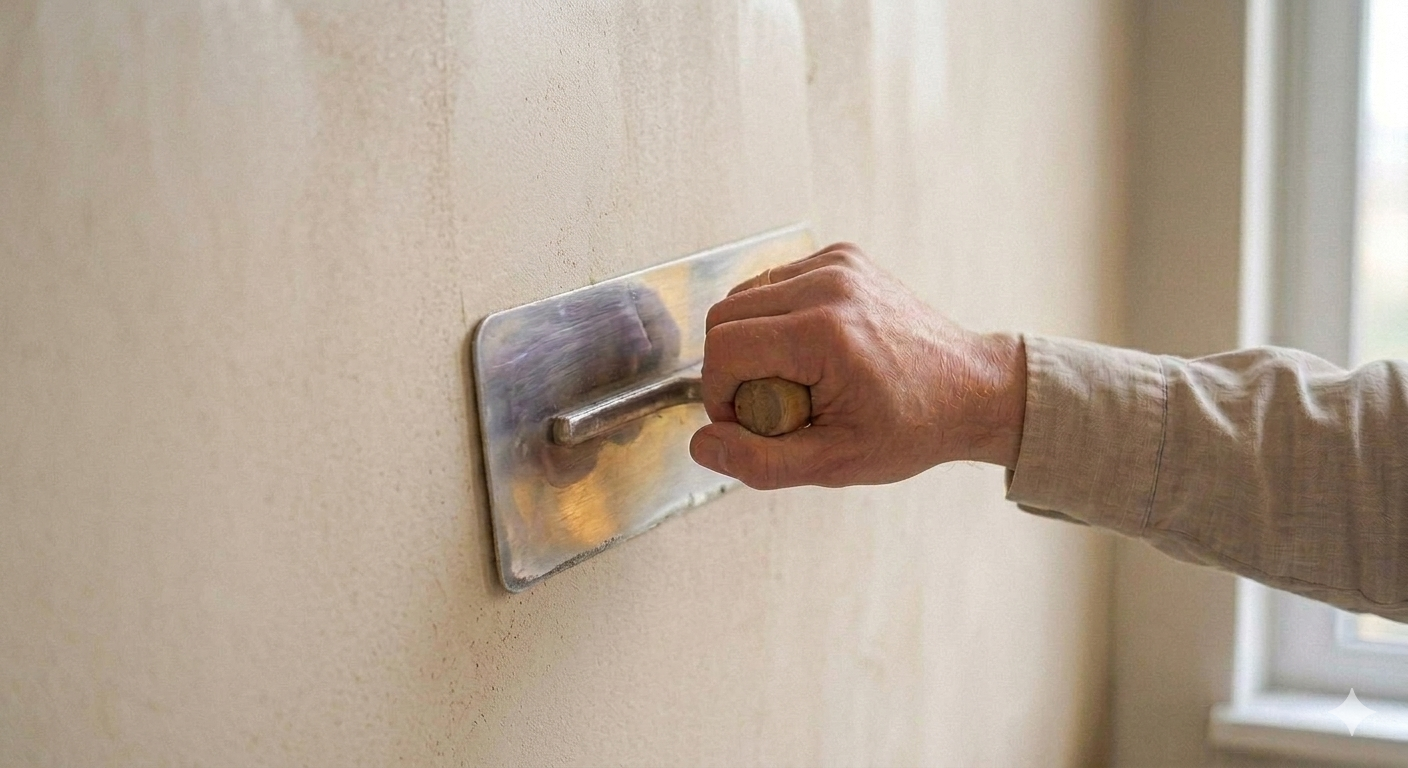
- Interior walls and ceilings indoors-living rooms, kitchens, bathrooms, hallways. Plaster provides a smooth, polished finish for interiors.
- Decorative plasters such as Veneziano Venetian plaster, Marmorino, and Tadelakt in spas, hotels, and upscale residences. Plaster can be customized with intricate molding designs for detailed ceilings.
- Restoring historic lime plaster surfaces from pre-1950s construction. Plaster is applied over wood lath, metal wire, or masonry blocks depending on the substrate.
Some lime plasters and stuccos are formulated for both interior and exterior use. Vasari provides guidance on which mixes suit which exposure. Avoid using standard gypsum plaster in continuously wet exteriors-consider lime-rich or hydraulic lime stucco for facades in four-season climates.
Performance: Durability, Fire Resistance & Comfort
Plaster and stucco are high performance wall systems, not just decorative skins.
- Stucco can last 50 years or longer when properly installed, with many exterior installations exceeding that mark. Stucco is resistant to mold, mildew, and rot.
- Stucco provides excellent weather protection against wind and rain. However, if stucco develops cracks or isn't sealed perfectly, moisture can lead to structural rot in the underlying wood or sheathing.
- Mineral-based stucco and plaster are inherently non-combustible, helping protect substrates from flame spread. Exterior stucco assemblies are used in fire-rated wall designs, and interior lime plaster is an upgrade over paper-faced drywall for fire safety.
- Thick plaster and stucco layers add thermal mass, moderating temperature swings. Mineral wall finishes absorb and diffuse sound, creating quieter interiors.
- Vapor permeable lime systems allow walls to dry out, reducing risks of trapped moisture and mold. Plaster increases the resale value of homes due to its aesthetic appeal and durable performance.
Aesthetics & Design Options (Textures, Sheen, Color)
Design flexibility is a major reason architects and designers choose stucco and plaster over flat paint or siding for walls and surfaces.
Stucco aesthetics:
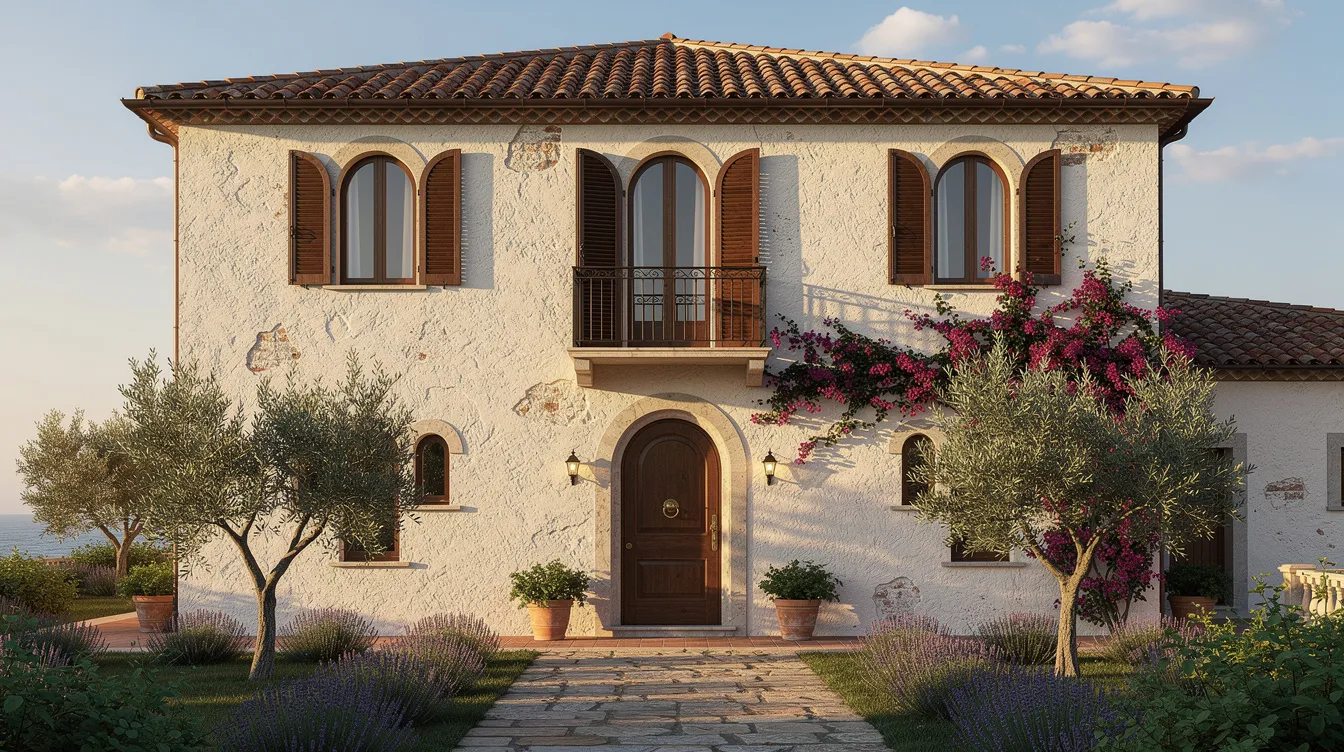
- Textured exterior finishes: sand float, knockdown, Spanish lace, and rustic scraped looks over stone or brick substrates.
- Clean, monolithic contemporary facades with subtle, controlled texture and uniform appearance.
Plaster aesthetics:
- Smooth, matte lime plaster walls for minimalist interiors.
- High-sheen Venetian plaster and polished plaster for marble-like depth and reflectivity.
- Marmorino for soft, clouded textures; Tadelakt for silky, stone-like bathrooms and showers.
Color options:
- Integral color using mineral pigments mixed directly into the plaster or stucco mortar.
- Topcoat with Vasari lime paint for added depth, patina, and color control.
Designers can coordinate decorative wall stucco outside with interior lime plaster and matching lime paint for cohesive indoor-outdoor palettes across an entire building.
Installation Basics for Stucco and Plaster
Professional installation yields the best results, but experienced homeowners can tackle smaller plaster projects with proper training and support.
Stucco installation:
- Prepare the substrate-masonry or framed wall with weather barrier and wire lath. Stucco is applied over wire or metal lath for durability.
- Apply in three coats: scratch coat, brown coat, and finish coat. Stucco requires application in two to three layers depending on substrate.
- Moist curing prevents premature drying of stucco layers and minimizes cracks.
- Stucco usually runs more expensive upfront than other siding alternatives due to labor-intensive installation and the need for skilled tradework.
Lime plaster installation:
- Apply a latex primer, when necessary, followed by a mineral primers or base coats over drywall, masonry, or concrete.
- Build up one to multiple coats-Venetian plaster often uses 2–3 thin coats; Marmorino runs thicker and is often applied in 2 coats; Tadelakt is burnished and soaped for waterproofing.
- Hand-troweled techniques create the final texture, sheen, and appearance. Plaster must be applied in layers for an even finish.
- Proper installation prevents cracking and unevenness in plaster, especially when environmental conditions (temperature, humidity, wind, direct sun) are managed.
Vasari provides product-specific guides, recommended mineral primers, and training resources for professionals and advanced DIY users. You can browse product catalogs and spec sheets and visit our video tutorials on YouTube.
Environmental & Health Considerations
Many clients choose lime plaster and stucco for ecological and indoor air quality reasons-and the science supports their decision.
- Mineral plasters and stuccos are durable and long-lasting, reducing life-cycle material consumption and waste from frequent renovation.
- Vasari's core lime plaster, stucco, and lime paint systems contain no plasticizers, synthetic resins, or clay fillers-just lime, stone, and mineral pigments for zero-VOC formulations.
- Vapor permeable, breathable walls help avoid trapped moisture and mold that degrade indoor air quality and building insulation.
- These systems are compatible with natural construction methods (straw bale, masonry, high-mass walls) and wellness-focused residential design.
How to Choose: Stucco vs Plaster for Your Project
The decision comes down to location, style, performance demands, and budget. Here's a simple framework:
- Choose stucco for primary exterior weather protection, textured facades, and fire resistant envelopes that must be weather resistant and durable against impact.
- Choose plaster for refined interior walls, specialty finishes like Venetian plaster and Tadelakt, and when you want a tactile, hand-crafted feel that is suitable for detailed design.
- For many projects, the best solution is a coordinated system: natural stucco exterior, lime plaster interior, and matching lime paint for color continuity across every surface.
- Consider your climate (wet vs dry, freeze–thaw cycles), substrate type (masonry, ICF, framed with lath), and long-term maintenance expectations. An example: a coastal house benefits from hydraulic lime stucco exteriors that handle salt air without trapping moisture behind rigid cement.
Vasari Lime Plaster & Paint supports homeowners, architects, designers, and builders with material specs, detailing advice, and project-specific recommendations.
Contact Vasari to select and supply the right natural plaster or stucco system for your project-and where applicable, get referrals to trained applicators who can deliver the finish your design deserves.


