

Marmorino vs Venetian Plaster: Key Differences, Uses, and How to Choose

Choosing between marmorino vs venetian plaster comes down to the look, feel, lighting, and use of the room. Both are traditional lime plaster finishes, but one leans toward earthy and stone like, while the other delivers polished elegance and a luxurious appearance.
Quick Answer: Marmorino vs Venetian Plaster at a Glance
Marmorino plaster is a lime plaster with a marble dust and natural limestone aggregates, giving walls a matte appearance, soft satin glow, or textured finish. Venetian plaster uses fine marble dust in multiple thin layers to create an ultra smooth, polished plaster with a glossy finish that can mimic polished marble.
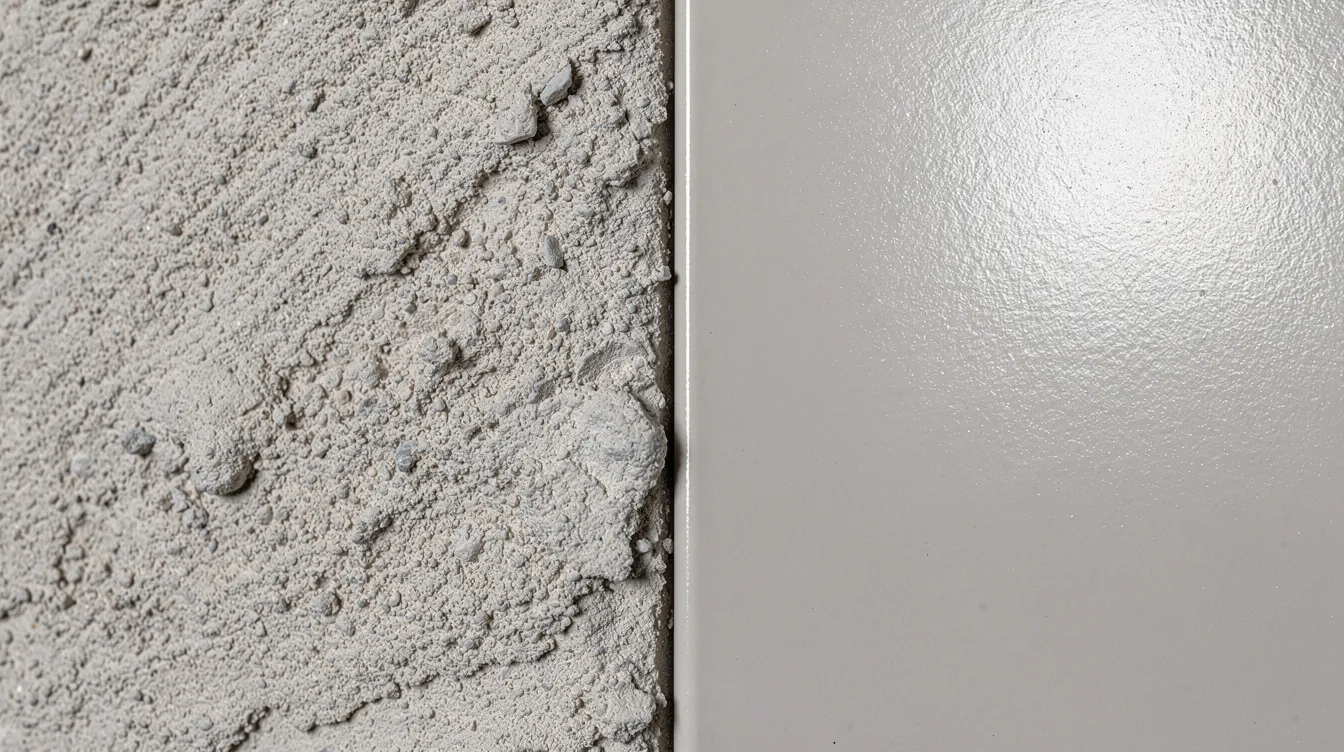
Key differences:
-
Texture: Marmorino offers a natural stone-like texture while Veneziano venetian plaster creates a smooth, polished surface.
-
Sheen: Marmorino provides a matte to medium sheen finish while Veneziano Venetian plaster is often polished to high gloss.
-
Application process: Marmorino requires fewer layers; Veneziano Venetian plaster requires more layers and intensive burnishing.
-
Cost: Veneziano Venetian plaster typically costs more than Marmorino because professional installation of Venetian plaster costs more per square foot.
-
Best use: choose Marmorino for rustic warmth and subtle movement; choose Veneziano Venetian plaster for dramatic depth, high end interiors, and formal feature walls.
-
Vasari Lime Plaster & Paint manufactures both marmorino plasters and Venetian-style polished plaster, with materials and guidance shipped worldwide.
What Is Marmorino? What Is Venetian Plaster?
Both finishes come from traditional lime based finishes used since ancient Rome and refined during the Venetian Renaissance; Marmorino is especially tied to historic Italian architecture. Marmorino plaster blends lime putty, powdered marble, fine sand, and natural limestone to create a mineral plaster finish from matte to soft satin.
Venetian plaster, also called stucco Veneziano, is a lime based plaster made with slaked lime and fine marble dust. It is applied in thin layers, then burnished into a refined finish that can resemble polished marble, onyx, or a marble like finish.
Technically, Marmorino is part of the broader Venetian decorative plaster family. In modern design, however, Marmorino and venetian plaster usually describe two distinct looks: earthy texture versus highly polished shine. Vasari offers both in wet mix or dry powder, tintable to custom colors, and made as 100% mineral-based materials when specified traditionally.
Composition and Materials: Lime, Marble & Aggregates
The key differences start in the mix. Venetian plaster uses aged slaked lime, lime putty, mineral pigments, and very fine marble dust for tight, dense coats that become a reflective surface after burnishing.
Marmorino typically contains slaked lime plus coarser marble flour, marble dust, and fine limestone or sand aggregates. That gives the plaster more body, better texture, and a natural stone effect.
Marmorino and Venetian plaster are 100% mineral-based materials. Vasari’s natural materials are traditional mineral formulations: slaked lime, powdered marble, and fine limestone aggregates, all sourced in the United States.
Both qualify as true lime plaster: high-calcium lime carbonates back into stone over time. They are also zero-VOC, breathable, naturally antimicrobial, mold resistant, and tintable for residential and commercial spaces.
Texture and Finish: Matte Stone vs Glossy Marble
The most visible difference is final texture and sheen. Venetian plaster achieves a highly polished, glossy finish; Venetian Plaster mimics polished marble with a glossy finish and a glass-like appearance. Through burnishing techniques, Venetian plaster produces intense movement and depth, and Venetian Plaster creates depth that changes with light and viewing angle.
Marmorino offers a textured, stone-like appearance. Marmorino finishes range from matte to satin, and Marmorino achieves a softer, more subtle finish compared to Venetian plaster's dramatic visuals. Its final texture can be controlled for a rustic or smooth finish.
Marmorino offers a more rustic appeal compared to the luxurious look of Venetian plaster. Marmorino is ideal for rustic and traditional interiors, Mediterranean rooms, wabi-sabi spaces, and minimalist homes. Venetian Plaster is often used in high-end interiors, dining rooms, contemporary spaces, hotels, boutiques, and other commercial spaces where surfaces should reflect light.
Application Process and Skill Level
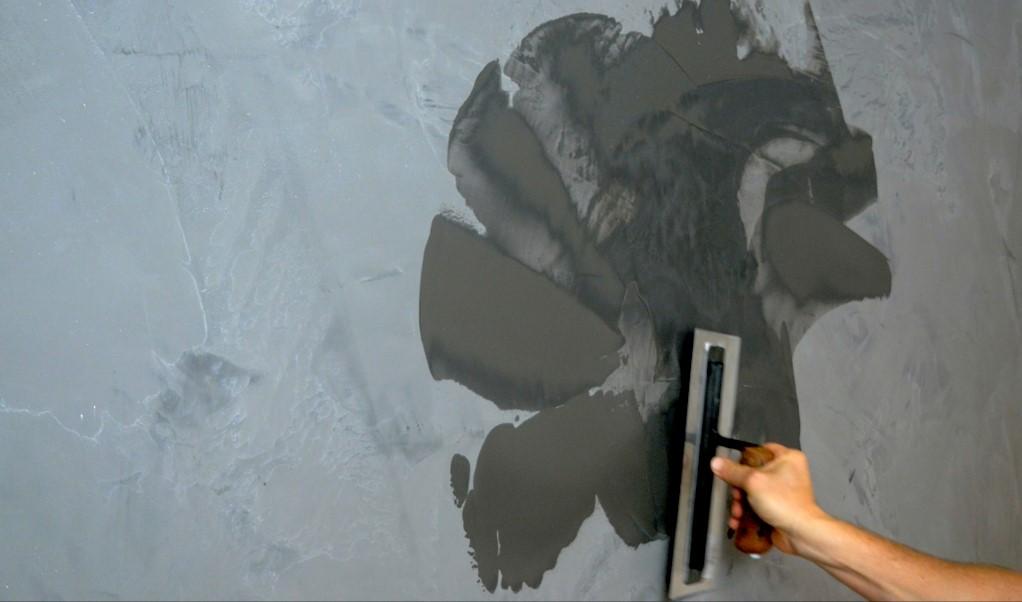
Both systems are hand-applied layered plaster, but venetian plaster demands more precision. A typical venetian plaster finish starts with mineral primer, 1–2 build coats, and 1–2 finishing passes. Venetian plaster requires 3-5 thin layers for application, and venetian plaster is burnished to achieve a glossy finish.
Marmorino typically requires 2-3 layers for application. After primer, applicators build the desired finish in two coats. Marmorino's final layer can be lightly compressed for sheen rather than mirror gloss.
Venetian plaster requires more intensive finishing work than Marmorino. Venetian plaster is more time-consuming to apply and often requires skilled labor for proper finish. Venetian plaster application is more time-consuming than Marmorino because the timing, pressure, and trowel angle affect the polished finish.
For best results, use Level 4–5 drywall, smooth plaster, or compatible lime undercoats, primed with mineral primer. Vasari supplies compatible primers, samples, training content, and technical support for professionals and advanced DIYers.
Durability, Maintenance & Moisture Performance
Both finishes harden through carbonation: the lime reverts to calcium carbonate, slowly turning the surface back into stone. With proper prep, both Marmorino and Venetian plaster can last for decades.
Both finishes are naturally mold-resistant due to their alkaline properties. Both plasters are naturally antimicrobial and mold-resistant, which helps kitchens, powder rooms, and well-ventilated bathrooms. Lime plasters improve indoor air quality by allowing moisture escape through breathable walls.
There is a practical wear difference. Venetian plaster is more resistant to scratches than Marmorino because a dense polished surface can be harder. However, high-gloss finishes in Venetian plaster can show scratches more visibly than matte surfaces. Marmorino provides better concealment of wall imperfections due to its texture, and Marmorino's textured surface hides minor damage better than Venetian plaster.
Both finishes require minimal maintenance and can be easily repaired. Use dusting and an occasional damp cloth, not harsh cleaners. Neither finish is fully waterproof: Unsealed Marmorino must be properly sealed to prevent staining in kitchens and bathrooms. In showers or constant wet zones, choose lime-based Tadelakt finsh.
Cost Considerations: Marmorino vs Venetian Plaster
Material costs are often similar, but labor changes the total. Venetian plaster typically costs more than Marmorino because it takes more coats, more trowel passes, and a higher skill level.
Marmorino installation is generally less expensive than Venetian plaster, especially on large walls and ceilings. Its fewer passes make it a strong polished plaster option when you want timeless beauty without the full labor cost of a glossy finish.
Price depends on substrate condition, project size, smooth versus textured finish, desired sheen level, custom color, and special effects. Vasari can help estimate material quantities and specify the right system so the budget matches the desired finish.
When to Choose Marmorino vs When to Choose Venetian Plaster
Choose by mood, not trend. Choose marmorino when you want a calm, natural, stone like wall with timeless character, subtle sheen, and warmth. It is an excellent choice for bedrooms, living rooms, hallways, and backdrops for art or furniture. Marmorino is characterized by an earthy, architectural aesthetic reminiscent of historic Italian architecture.
Choose venetian plaster when the goal is a polished, high gloss, reflective surface with dramatic movement. A venetian plaster finish works well on feature walls, foyers, ceilings, dining rooms, hospitality projects, and luxury retail interiors.
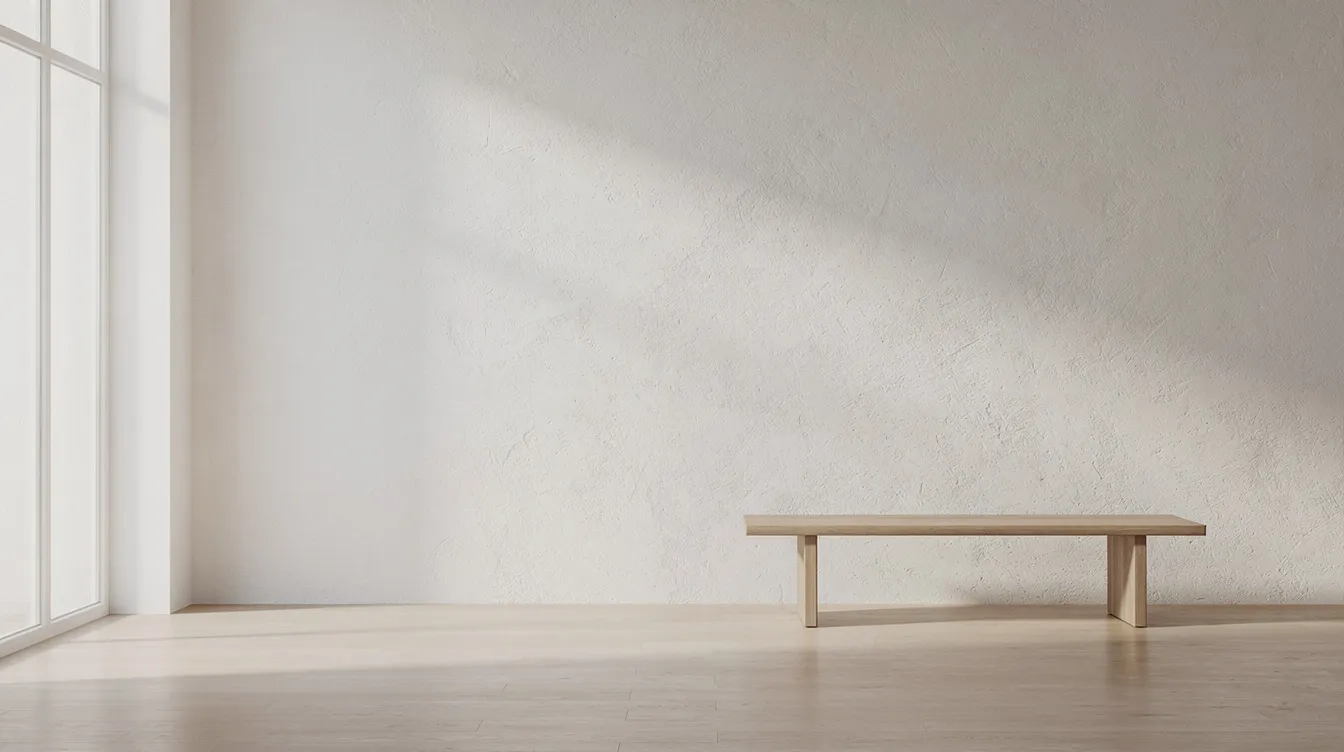
Lighting conditions matter. Venetian plaster looks best where natural or directional light can skim the wall and reveal depth. Marmorino diffuses light gently, giving walls a softer, more forgiving presence.
You can also combine both: marmorino in main rooms for a timeless finish, then Venetian plaster on select focal surfaces for polished elegance.
Marmorino and Venetian Plaster in Modern Design & Sustainability
Traditional lime plasters fit modern architecture because they are natural, durable, and low odor. Lime-based plasters have a low carbon footprint, and lime plaster sequesters some CO₂ as it cures.
These finishes support healthier indoor environments because they are breathable, mineral, and free from synthetic solvents when properly formulated. Their vapor permeability helps regulate humidity, while alkaline chemistry discourages bacteria and mildew.
Designers also like the range. One project may call for raw, cloudy marmorino; another may need a highly polished plaster surface. Vasari manufactures eco-friendly lime plasters, venetian plaster, tadelakt, and lime paint, with technical data, color systems, and specification guidance for architects, designers, contractors, and homeowners.
Frequently Asked Questions About Marmorino vs Venetian Plaster
Here are the most common questions we hear when clients compare marmorino vs venetian plaster.
Is marmorino the same as Venetian plaster?
Historically, marmorino is one Venetian lime plaster family. Today, marmorino usually means a textured, stone-like plaster, while venetian plaster means an ultra smooth, glossy polished plaster.
Which is more expensive, marmorino or Venetian plaster?
Venetian plaster usually costs more because it requires more layers, more burnishing, and more skilled labor. Marmorino is often more economical for large surfaces.
Can marmorino and Venetian plaster be used in bathrooms?
Yes, in powder rooms and ventilated bathrooms with the right wax or sealer. For shower interiors, lime-based Tadelakt is the better system.
How long do these finishes last?
With proper care, both can last decades and develop patina instead of looking worn. High-quality lime products from Vasari help preserve that timeless character.
Can I DIY marmorino or Venetian plaster?
Confident DIYers can often handle simpler marmorino with Vasari’s ready-mixed products and instructions. Complex high gloss Venetian plaster is best left to trained artisans.
Working With Vasari Lime Plaster & Paint
Vasari Lime Plaster & Paint specializes in authentic natural lime-based decorative finishes for trade professionals and homeowners. We manufacture and distribute marmorino plasters, Venetian-style polished plaster, Tadelakt, and lime paints in wet or dry form, shipped nationally and internationally.
Share your room type, substrate, timeline, budget, and desired plaster finish. We can help you decide whether to choose marmorino, choose venetian plaster, or combine both. Order sample boards, color charts, or small test kits to see the surface in your own light before committing.
Authentic lime plaster offers beauty, durability, and environmental benefits far beyond conventional paint or synthetic plaster alternatives.


