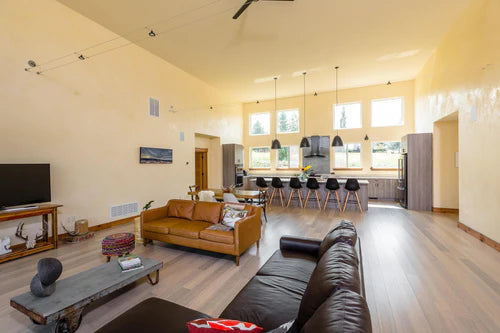
What Is Venetian Plaster? A Complete Guide to This Classic Lime-Based Finish

What Is Venetian Plaster? A Complete Guide to This Classic Lime-Based Finish
Few wall finishes can match the depth, movement, and tactile richness of Venetian plaster. This guide covers everything you need to know - from its ancient roots and mineral composition to modern application methods and the different types of venetian plaster available today.
What Is Venetian Plaster? (Quick Answer)
Venetian plaster is a traditional Italian plaster finish made from lime plaster and marble dust, applied in multiple thin layers and polished to create a marble like finish on walls and ceilings. It is a type of lime based, polished plaster - sometimes called Italian plaster or marble plaster - not simply a paint effect or decorative coating.
At Vasari Lime Plaster & Paint, we manufacture authentic lime based Venetian plaster for both professionals and homeowners. Venetian plaster is made from slaked lime and marble dust. It is an eco friendly wall finish option built from natural materials rather than synthetic resins.
Key things to know upfront:
-
It provides a luxurious look that mimics stone or marble
-
It is used in interior design to add texture and luxury to any space
-
Venetian plaster can provide a high-sheen or matte appearance depending on technique
-
Venetian plaster can be customized in color and finish using integral mineral pigments
-
It can last for decades when applied correctly - far outlasting regular paint
The Origins and History of Venetian Plaster
Lime plaster has been used for over 2,000 years on buildings across Italy and the Mediterranean. Roman builders combined slaked lime and marble aggregates - a technique sometimes called marmoratum opus - to produce durable, polished plaster finishes on villas and public buildings. These ancient techniques laid the groundwork for everything that followed.
Venetian plaster originated in 15th-century Venice, where craftsmen refined lime-and-marble mixtures into thin, elegant coatings for palazzos and churches. "Stucco veneziano" and "Marmorino" became hallmarks of Italian architecture from the 15th through 17th centuries, championed by figures like Andrea Palladio. After centuries of use, these finishes experienced a revival during the 1990s "Tuscan" trend. Today, they appear in minimal, modern interiors that prize timeless beauty and natural material. Vasari Lime Plaster & Paint continues this history of lime plaster with formulations suited to contemporary building standards.
What Venetian Plaster Is Made Of
Real Venetian plaster is a mineral, lime based plaster - not an acrylic or plastic coating. Its core ingredients are simple:
-
Lime putty (hydrated slaked lime / calcium hydroxide)
-
Finely ground marble dust and powdered marble
-
Clean water
-
Natural mineral pigments for integral color
Marble dust and limestone aggregates give the plaster its stone-like hardness, depth, and ability to be polished. Color is mixed directly into the material, so hues run through the full thickness rather than sitting on the surface like paint. This is fundamentally different from synthetic "Venetian look" products built on acrylic resins, which lack breathability and age differently. Vasari uses slaked lime, powdered marble, and very low VOC additives to balance workability with authentic performance.
Types of Venetian Plaster and Related Lime Finishes
"Venetian plaster" is an umbrella term covering several different types of lime and marble plaster finishes:
-
Veneziano - Highly polished, glassy surface. Veneziano offers a high polish, mirror-like finish that catches and reflects light dramatically.
-
Marmorino - Fine to medium grain, stone-like feel. Marmorino creates a smooth, slightly textured look suited to both modern homes and heritage interiors.
-
Intonachino - Coarser, more rustic texture often used on exteriors or in rough, aged style designs.
-
Scagliola - A specialized technique that simulates marble inlay techniques using colored plaster set into a ground.
-
Sgraffito - Involves inscribing art into plaster surfaces by scratching through layers of contrasting color.
-
Tadelakt - A Moroccan lime based finish, polished and soap-sealed for waterproof surfaces like showers. Learn more about Tadelakt application.
-
Concrete-like finish - Mimics natural concrete appearance using grey-toned lime plaster with minimal burnishing.
Different types of venetian plaster can create outcomes from satin concrete surfaces to mirror-gloss polished plaster. Vasari offers Italian plaster products with varying grain sizes and sheens for walls, ceilings, and some floors.
How Venetian Plaster Is Applied (Step-by-Step Overview)
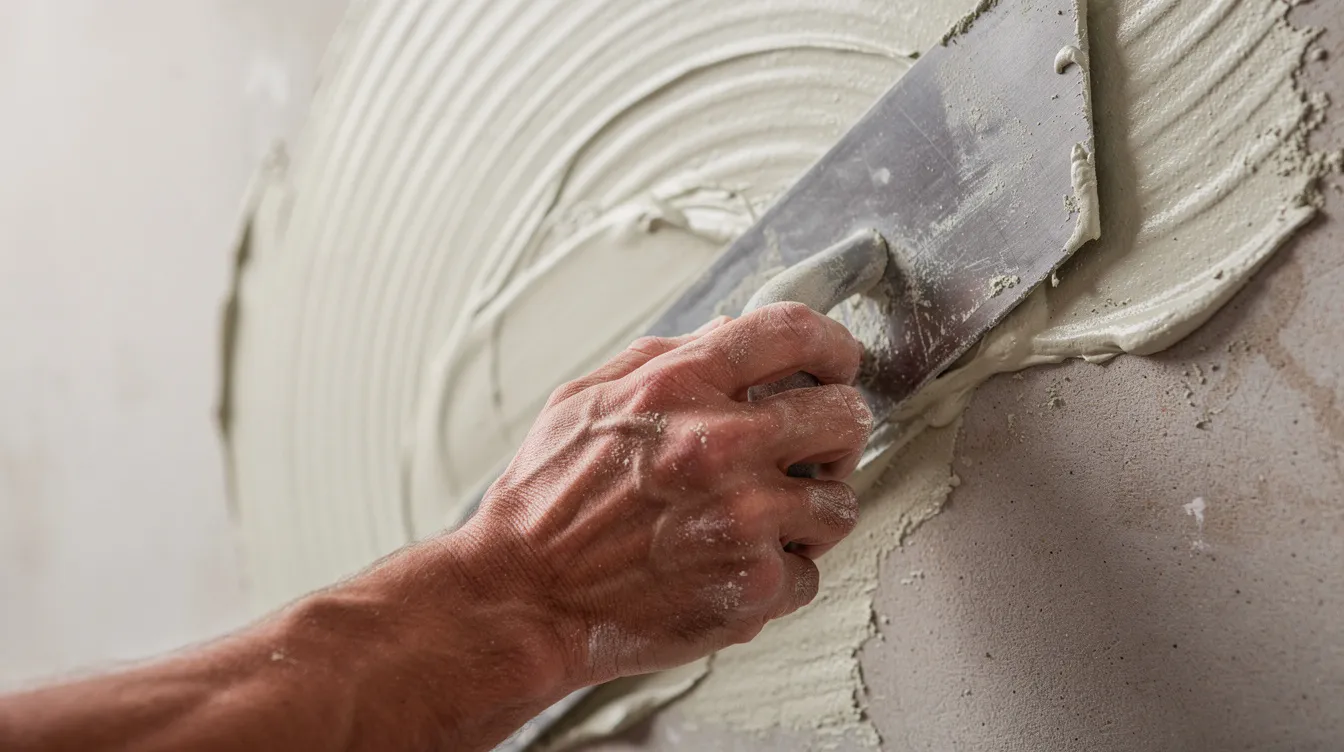
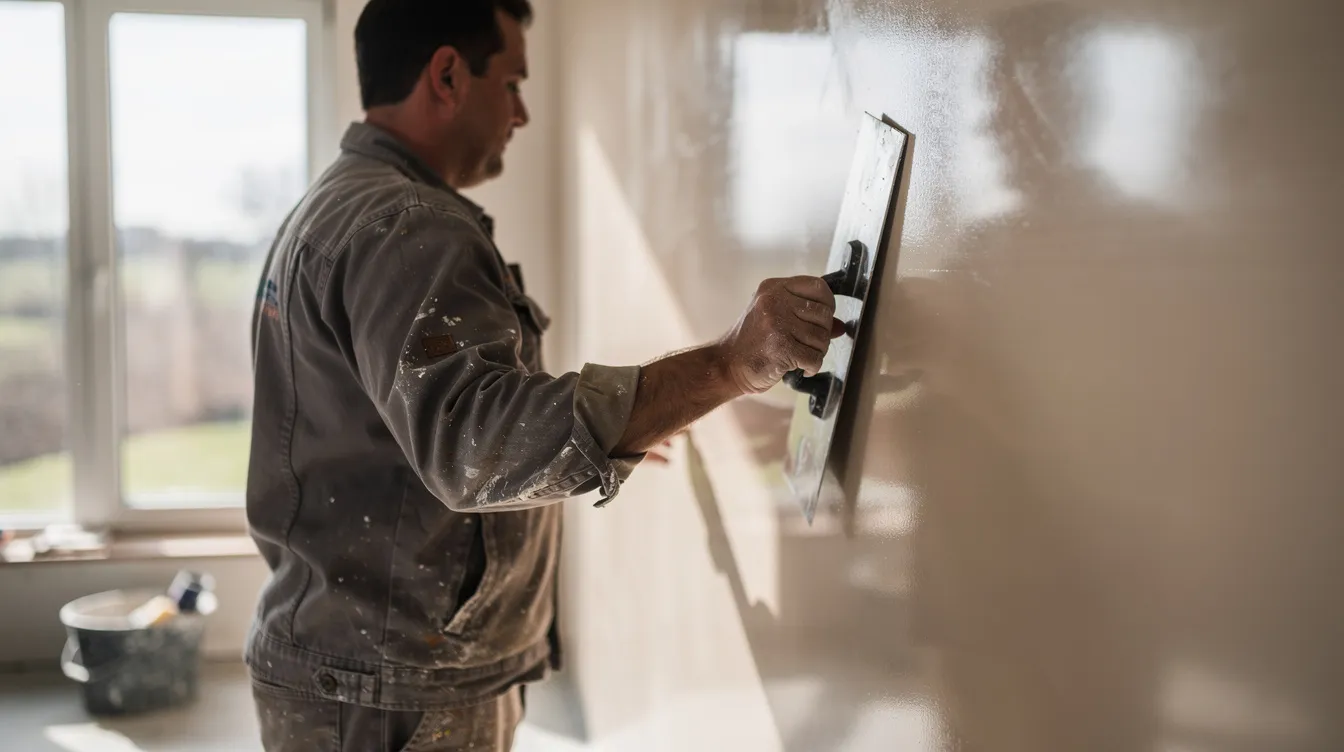
Applying venetian plaster is a craft process built around thin, controlled coats and steel trowel work. Troweling creates unique textures in venetian plaster, and each applicator's hand produces a slightly different result.
Typical application sequence:
-
Surface prep - The substrate must be stable, smooth, and free of dust or loose paint. A mineral primer or bond coat provides adhesion on drywall, brick, cement, or existing plaster.
-
First coat - A thin base layer for coverage and adhesion, applied with a flexible stainless steel trowel in overlapping strokes.
-
Second coat - Builds color density and begins developing the surface pattern. Venetian plaster is applied in 2–3 coats depending on the desired finish.
-
Optional third coat - The third coat is where depth, movement, and subtle color variation are built up. It is applied in multiple layers for a glossy finish when high polish is the goal.
-
Burnishing - Burnishing is the final step for a polished finish. The surface is compressed with a clean trowel or blade held at a shallow angle, creating that characteristic marble-like sheen.
-
Sealing - A small spatula is used to apply wax for gloss and added protection where needed.
Venetian plaster can be applied to various surfaces including drywall, masonry, concrete, and existing lime plaster. Vasari provides detailed application guides and technical data plus project support for both pros and DIY clients.
Visual Styles and Venetian Plaster Finishes
Venetian plaster can produce many different plaster finishes, from minimal to highly decorative. Popular looks include:
-
Smooth matte "plaster paint" effect for understated, modern walls
-
Soft sheen, stone-like finish with gentle color variation
-
Concrete-style surfaces in grey or earth tones
-
Classic high-gloss venetian polished plaster with translucent depth
-
Dramatic accent walls using bold pigments and heavy burnishing
The finish level is controlled by grain size, number of coats, timing of burnishing, and whether wax or soap is applied. Marble plaster finishes can mimic cut stone, travertine, or aged limestone using subtle color shifts and trowel marks. Explore more about the aesthetic of venetian plaster finishes to find the right style for your project.
Where You Can Use Venetian Plaster
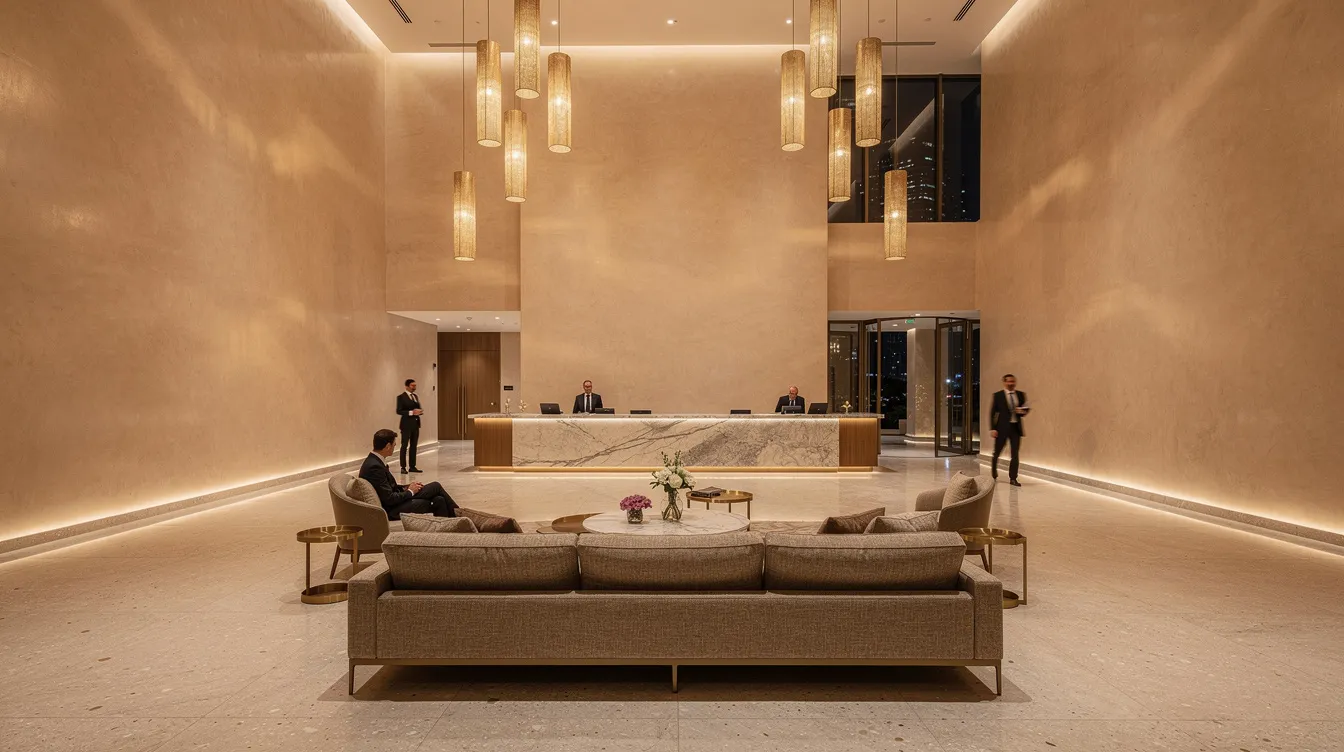
Venetian plaster is suitable for many interior walls and ceilings in homes, hotels, restaurants, and offices. It can be used to create dramatic accent walls or seamless, full-room finishes.
Residential: Living rooms, feature walls, entryways, dining rooms, and bedroom headboard walls are common applications. Venetian plaster is suitable for high-end bathrooms due to its durability - though moisture-prone zones may require additional sealing or specialized products like Mastercoat.
Commercial: Boutiques, lobbies, bars, spas, and gallery spaces in high traffic commercial areas benefit from the tactile, prestige backdrop that venetian plaster walls provide. The material holds up well in high traffic areas when properly sealed.
Substrates: Drywall, plasterboard, existing lime plaster, masonry, brick, and prepared concrete surfaces can all receive venetian plaster. Vasari can advise on system build-ups for exteriors and specialty locations, including appropriate primers and topcoats.
Key Benefits of Lime-Based Venetian Plaster
Lime based venetian plaster offers aesthetic, environmental, and performance advantages that standard paint or acrylic coatings simply cannot deliver. It increases the perceived luxury and resale value of properties while performing better over time.
-
Breathability - Lime plaster absorbs and releases moisture, helping walls stay dry. Venetian plaster controls humidity effectively, reducing condensation and protecting building fabric.
-
Mold resistance - Its alkaline composition inhibits mold growth, mildew, and bacteria on plastered surfaces.
-
Durability - Venetian plaster lasts for decades when applied correctly, resisting peeling and aging more gracefully than film-forming paints. Unlike other plasters or standard paint, it does not flake.
-
Health and sustainability - The material is eco-friendly, made from natural materials. It is odorless and non-toxic. Lime reabsorbs CO₂ as it cures through carbonation, and most authentic systems have zero VOCs.
-
Low maintenance - Colored lime plaster eliminates the need for repeated repainting, reducing maintenance cycles and material waste.
These advantages of lime plaster in modern architecture align with Vasari's focus on natural ingredients, indoor air quality, and sustainable architectural coatings.
Venetian Plaster vs. Paint and Synthetic "Polished Plaster"
Many homeowners compare venetian plaster to high-end paint or acrylic decorative finishes. The differences are significant:
|
Feature |
Authentic Venetian Plaster |
Paint / Acrylic "Venetian" |
|---|---|---|
|
Depth and light |
Translucent, stone-like |
Flat, surface-level sheen |
|
Breathability |
Vapor-permeable |
Film-forming, traps moisture |
|
Lifespan |
Decades |
3–7 years before recoating |
|
Ingredients |
Mineral (lime, marble, pigments) |
Synthetic resins, polymers |
|
Venetian plaster costs |
Higher upfront, lower lifecycle |
Lower upfront, higher over time |
|
Cleaning |
Easy to clean compared to standard paint |
Varies |
Real lime plaster is preferable for heritage projects, eco-focused builds, and vapor-open wall assemblies. Synthetic polished plaster may suit tight budgets or non-critical decorative finishes. Vasari specializes in authentic lime systems but also engineers products for ease of application and compatibility with modern substrates like drywall and cement board.
Basic Maintenance and Care
Venetian plaster is low-maintenance if properly applied. It requires minimal maintenance, needing only a wipe down for routine cleaning.
-
Dust with a soft cloth or lightly damp rag
-
Use mild, pH-neutral cleaners on sealed or waxed surfaces
-
Waxed or soaped polished plaster handles gentle washing in bathrooms and kitchens
-
Small scuffs can often be blended out by a skilled applicator without recoating entire rooms
-
Avoid harsh abrasives, strong solvents, or repeated heavy scrubbing - these can damage the sheen or patina
Vasari can advise on maintenance products and periodic refreshing of wax or protective finishes. Visit the FAQ page for common care questions.
Working With Vasari Lime Plaster & Paint
Vasari Lime Plaster & Paint is a specialist manufacturer of natural venetian plaster, Marmorino, Tadelakt, and lime paint. Products are available in both wet and dry mixes with a curated palette plus custom color matching for designers and architects.
Vasari supports professional plasterers, builders, designers, and DIY homeowners - from single feature walls to large commercial projects. The company offers technical guidance on choosing between different types of venetian plaster, specifying systems, and planning complex installations using venetian plaster techniques proven over centuries.
Whether you want the elegance of a burnished Veneziano, the beauty of a matte Marmorino, or a durable finish for wet interiors, the right product and process make all the difference.
Ready to get started? Contact Vasari for samples, project consultations, or referrals to experienced applicators in your area. Explore color charts, download data sheets, or request a quote for your next project.