Tadelakt Plaster: A Complete Guide to Seamless Showers & Bathrooms

Tadelakt Plaster: A Complete Guide to Seamless Showers & Bathrooms
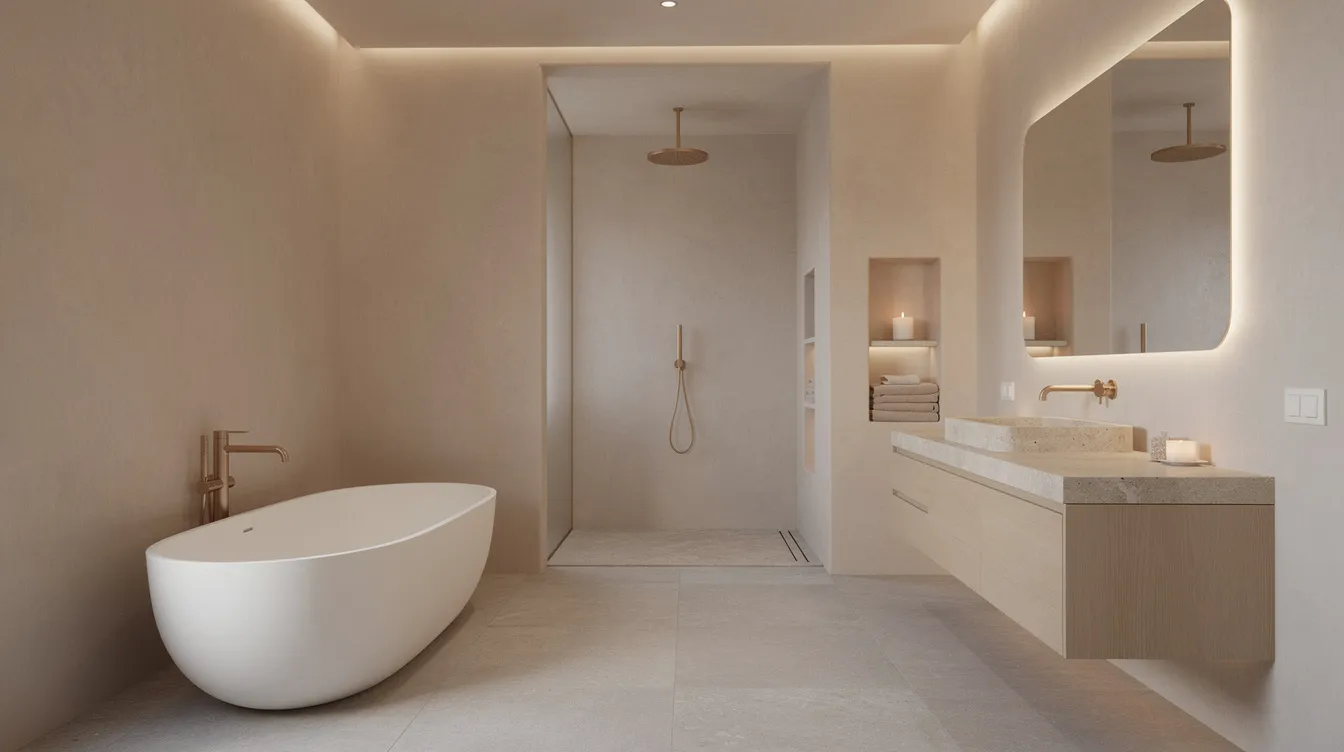
Tadelakt plaster gives bathrooms the calm, continuous look of a luxury hammam without the visual grid of tile and grout. It is smooth, polished, water resistant, and valued for its soft movement, earthy depth, and durable beauty in wet areas.
In this guide, we’ll explain what tadelakt is, how traditional Moroccan tadelakt works, and how Vasari Lime Plaster & Paint creates modern tadelakt-style showers and bathrooms using lime plaster, mineral sealer, and wax.
What Is Tadelakt Plaster?
Tadelakt plaster is a traditional Moroccan lime plaster known for durability, waterproof qualities, and a seamless final appearance. It is commonly used in bathrooms, showers, hammams, fountains, backsplashes, and other wet areas.
A true tadelakt surface becomes water-repellent when the plaster is compressed, polished, and treated with soap or wax. When applied correctly, it creates a breathable waterproof surface that helps resist mold, mildew, and water damage.
At Vasari, we manufacture modern lime-based waterproof plaster systems that achieve the same aesthetic appeal: smooth walls, no grout lines, custom color, and a luxurious feel. Unlike cement or acrylic coatings, lime plaster is mineral, low-VOC, made from natural materials, and can last for decades with proper protection and maintenance.
Origins of Tadelakt and Traditional Technique
Tadelakt originated in Morocco and has been used for centuries in riads, hammams, fountains, and rooftop cisterns because of its waterproof properties. The word tadelakt comes from Arabic, meaning “to rub” or “knead,” which describes the physical method used to compact and finish the surface.
Traditional tadelakt is made from lime, water, pigment, marble dust or limestone sand, and sometimes a unique blend of local aggregates. It is applied in several thin layers, often with a sponge trowel for early coats and a flexible steel or plastic trowel for the final coat.
The classic finish is polished with a river stone in circular motion, then treated repeatedly with olive oil soap or black soap. Fatty acids in olive oil react with the lime to form insoluble calcium soaps, which lock into the plaster matrix and make the surface waterproof while still vapor-permeable.
Traditional Moroccan tadelakt relies heavily on olive oil soap. Vasari’s modern tadelakt-style system uses dense lime plaster, Vasari Mineral Sealer, and Vasari Wax for more predictable performance on today’s substrates.
3 Why Choose Tadelakt Plaster for Wet Areas, Bathrooms, and Showers?
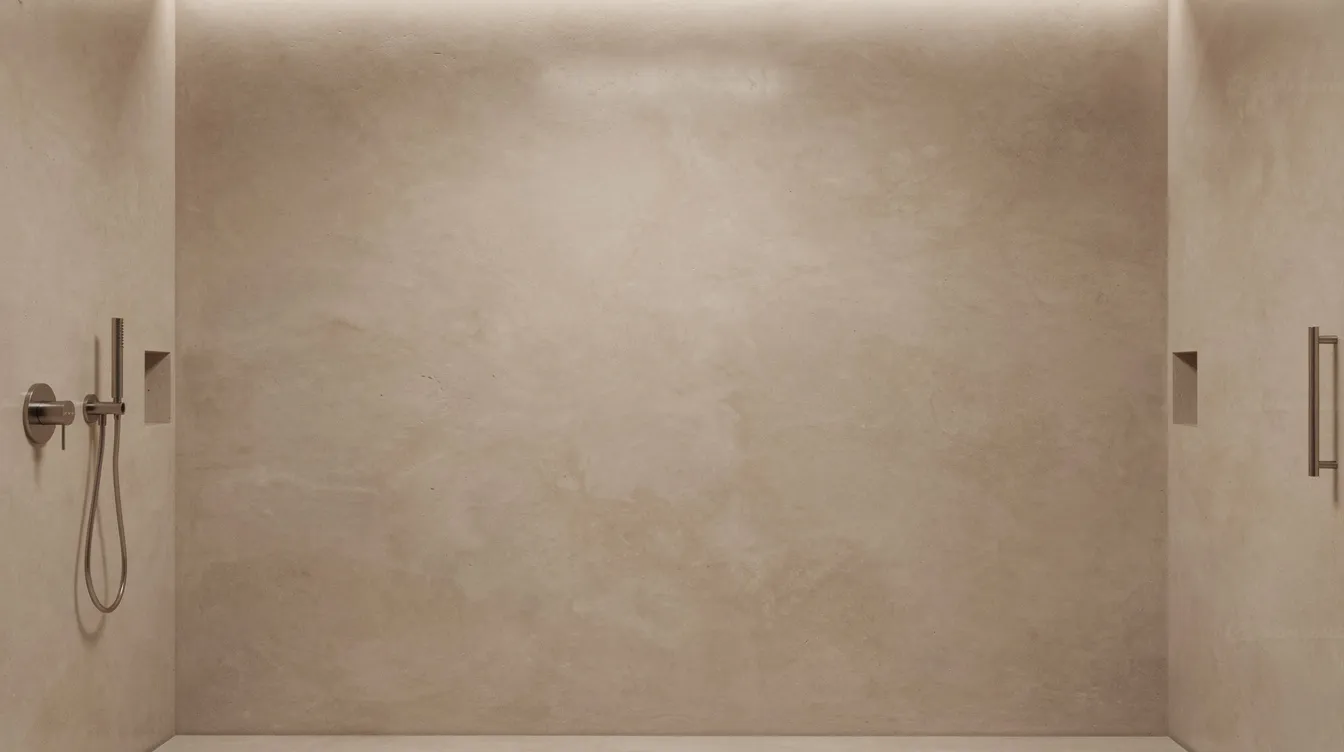
Tadelakt is a popular modern alternative to tile in bathrooms and wet areas because its water-repellent properties mimic the feel of a luxury hammam. The seamless finish creates a continuous, visually expansive look and improves hygiene because there are no grout lines where dirt and mildew can accumulate.
Key benefits include:
-
No grout joints to stain, crack, or collect soap residue.
-
Natural resistance to mold and mildew due to lime’s alkalinity.
-
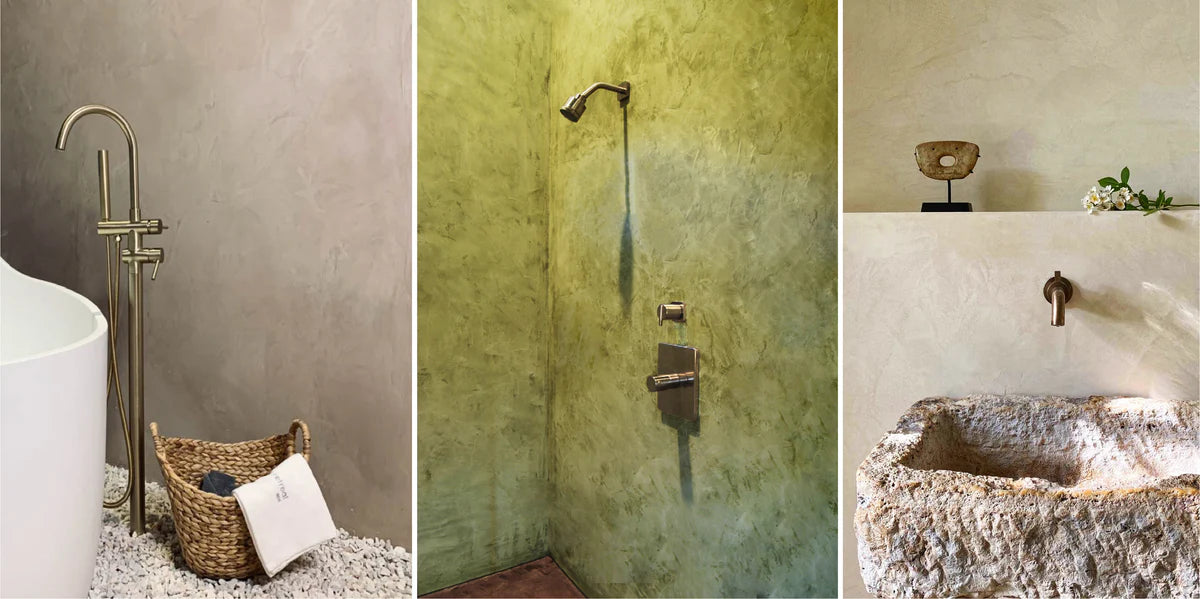
Endless color options, from earthy Moroccan reds to modern greys and off-whites.
-
The ability to follow curves, niches, benches, fireplace surrounds, and built-in shelves.
Unsealed or partially sealed lime plaster in a tadelakt bathroom can absorb and eliminate up to about 20% of humidity after a shower, helping the room feel fresher. Recent research on lime-plastered interiors also supports lime’s ability to buffer indoor humidity (study).
Tadelakt is highly valued in high-end minimalist spaces because it brings warmth, earthy texture, continuity, and artisan undulations. In kitchens, tadelakt is used as a durable, wipe-clean backsplash, and in living areas it adds tactile warmth around fireplace surrounds.
Our Modern Tadelakt-Style System at Vasari
We manufacture modern lime-based plaster systems in the USA that mimic traditional tadelakt’s look and performance.
Primary finish options for tadelakt bathrooms and showers include:
-
Veneziano, a high-polished plaster with a shiny, mirror-like sheen.
-
Marmorino, made with fine crushed marble for a medium sheen.
In wet zones, the system includes:
-
Moisture-resistant cement or foam backer board.
-
Elastomeric waterproof primer or membrane.
-
Mastercoat base coat, used as the key coat.
-
1–2 coats of finish plaster. (Marmorino, Veneziano)
-
Vasari Mineral Sealer.
-
Vasari Wax for final water repellency and sheen.
This layered approach creates a waterproof plaster assembly comparable to traditional tadelakt, while working predictably over Durock, Kerdi-Board, HardieBacker, DensGlass, green board, and similar panel systems.
Planning a Tadelakt Bathroom or Tadelakt Shower
Before ordering materials, decide the project scope: a full tadelakt shower, a complete tadelakt plaster bathroom with ceilings, accent walls paired with stone, wood, or tiles, or details that relate to exterior walls where a continuous mineral finish is desired.
Ask these questions early:
-
Will the shower floor be tile or stone, and how will the plaster terminate at the floor?
-
Are there niches, benches, or shelves that need rounded plaster-friendly detailing?
-
Should the finish feel polished like silk, soft matte, flat, or more rustic?
-
What color palette works with brass, black, stainless, or dark fixtures, and are pigments optional?
-
Coverage varies by product and texture, so check material yield in sq ft per coat when estimating.
Tadelakt can conform to any shape, allowing designers to coat curved surfaces and create soft sculptural flows, and in some cases it is also specified for exterior applications. However, the application of tadelakt is highly specialized and physically demanding, requiring specific techniques for mixing, applying, compressing, and finishing the material. Large showers need expertise; DIY customers should practice on a small interior wall or powder room first.
Substrate and Waterproofing Requirements
Correct substrate preparation is non-negotiable. A beautiful surface depends on rigid walls, proper waterproofing, and careful detailing behind the plaster.
Use moisture-grade boards such as Durock, HardieBacker, Schluter Kerdi-Board, DensGlass, or moisture-resistant drywall only in non-direct-spray areas. Follow the panel manufacturer’s instructions, mesh seams with fiberglass tape, and use system-specific membranes where required. Some systems, such as Schluter Kerdi, may not need additional primer.
Apply two coats of elastomeric waterproof primer where required, especially at corners, valves, niches, and the bottom few inches where walls meet floors. Do not use cement or thinset to smooth the board. Use Vasari Mastercoat, a heavy coarse lime plaster designed to bond over water-based elastomeric primer.
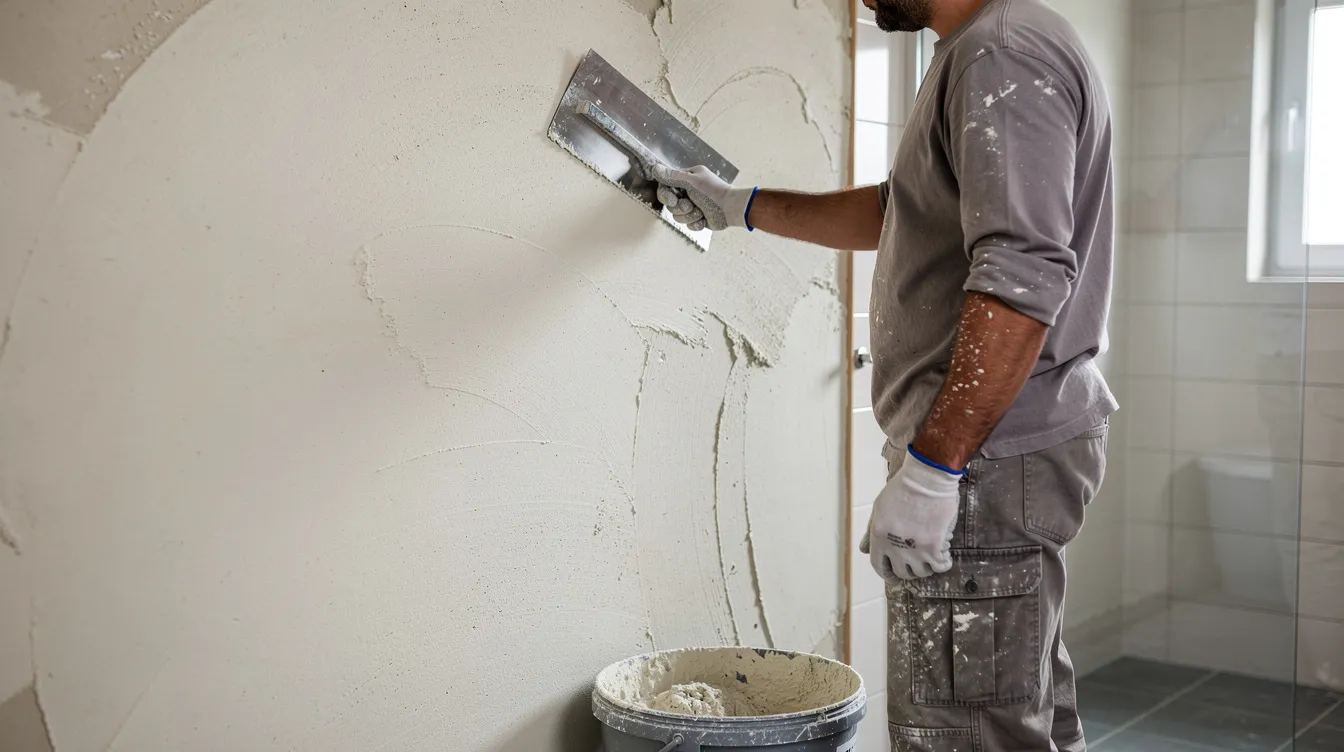
Step-by-Step Application Process (Vasari Tadelakt-Style Finish)
The Vasari method moves from prepared board to sealed shower surface in controlled phases. Make sure to start with the correct substrate using a moisture-grade board that is primed with an eleastomeric-primer.
-
Phase 1: Mix material as directed, let it rest, then apply the first coat of Mastercoat over primed board. Smooth as needed and allow about 48 hours to dry.
-
Phase 2: Apply the second coat of Mastercoat. As it reaches clay-like firmness, compress and burnish with a trowel for a dense base.
-
Phase 3: After full dry, apply 1–2 coats of Veneziano or Marmorino. Let each coat dry completely. Burnish or polish the final coat to tighten the surface and improve natural water resistance.
-
Phase 4: Apply Vasari Mineral Sealer and Vasari Wax. Allow each coat dry completely.
Traditional tutorials may apply tadelakt with soap alone, but Vasari’s shower system combines dense plaster, Vasari Mineral Sealer, and Vasari Wax. Work one wall at a time, maintain a wet edge, use good lighting, and use a trowel that is comfortable for you.
8 Sealing, Waxing, Olive Oil Soap, and Waterproof Properties
Raw lime plaster sheds some water when polished, but a functional tadelakt shower needs sealing.
After the final plaster coat is fully dry:
-
Apply two generous coats of Vasari Mineral Sealer, focusing on the bottom 2–3 inches, trim, grout, and transitions.
-
Allow at least 12 hours for the sealer to cure.
-
Apply and buff at least two thin coats of Vasari wax over the shower area.
The mineral sealer penetrates the lime. The wax forms a sacrificial water-repellent layer, comparable in purpose to traditional olive oil soap but easier to maintain in modern showers. Wait 24 hours before use. If darker wet spots appear, let them dry and re-wax locally until they no longer darken.
Working Over Existing Tile and Other Special Conditions
New moisture-grade board is best, but Vasari tadelakt-style finishes can go over existing tiles when the substrate is sound.
The tile-over process is:
-
Clean tiles thoroughly to remove soap scum, grease, and sealers.
-
Apply a bonding waterborne primer for glazed tile.
-
Apply elastomeric waterproof primer.
-
Continue with Mastercoat and finish plaster.
Old bathrooms with loose tile, movement cracks, unknown waterproofing, or excessive weight concerns should be evaluated by a professional.
Bathroom and shower ceilings can also be plastered; they usually do not need sealer because they are not in direct standing-water contact. Floors, countertops, and sinks are not recommended.
Cleaning, Maintenance, and Repair
A well-installed tadelakt shower is easy to maintain, but sealer, soap, and wax are protective layers that may need renewal.
For daily care:
-
Rinse or wipe walls with clean water.
-
Avoid bleach, vinegar, lemon, abrasive pads, or anything that can scratch the surface.
-
Use gentle, pH-neutral cleaners.
Traditional tadelakt maintenance includes regularly reapplying a soap solution to seal the surface and enhance waterproof qualities. If traditional tadelakt shows dullness or loss of waterproofing, reapplication of the soap finish and gentle polishing can restore the surface. With Vasari, reapply wax every 6–18 months as needed to maintain beading.
Minor stains can often be treated with solvents like paint thinner or nail polish remover, followed by re-waxing. Small damage can be repaired with fresh plaster, sanding, blending, sealer, and wax.
Comparing Tadelakt Plaster to Tile and Other Wall Finishes
Tadelakt plaster replaces the grid of tile with a seamless, stone-like surface that feels more handcrafted.
Tiles are durable and familiar, but grout can stain and harbor mildew. Acrylic or epoxy panels are waterproof and fast, but often lack depth, patina, and the beauty of natural materials. Tadelakt-style lime plaster is seamless, customizable, breathable, mold-resistant, and durable with simple maintenance.
Its aesthetic appeal is strongest where continuity matters: curved showers, window returns, arches, benches, and minimalist bathrooms where the walls should feel sculpted rather than assembled.
Frequently Asked Questions About Tadelakt Plaster
How long does a tadelakt plaster bathroom last?
A tadelakt plaster bathroom can last for decades when correctly detailed, sealed, maintained, and protected from structural movement.
Is tadelakt really a waterproof plaster?
Yes. In system form, dense lime plaster plus mineral sealer and wax, or traditional lime plaster plus olive oil soap, creates a waterproof plaster surface proven in hammams, showers, and wet rooms.
Can I DIY a tadelakt shower?
A full tadelakt shower is advanced. Determined DIYers should start with a backsplash or accent wall before attempting wet areas.
What about color choices?
Tadelakt offers unmatched customization with an extensive palette of colors that can be custom-mixed to match your design vision. Pigments integrate into the mix for depth and variation.
Is tadelakt eco-friendly?
Tadelakt is eco-friendly, made from raw limestone, non-toxic, biodegradable, free of Volatile Organic Compounds (VOCs), and naturally resistant to mold and bacteria.
Working with Vasari Lime Plaster & Paint
Vasari Lime Plaster & Paint supplies lime plaster, Venetian plaster, Marmorino, tadelakt-style finishes, lime paint, primers, sealers, waxes, wet mixes, dry mixes, samples, and technical knowledge for residential and commercial projects worldwide.
We support homeowners, architects, designers, and builders with specifications, color consultation, application videos, and referrals for complex bathrooms and showers. Contact Vasari early in your project to discuss substrate choices, waterproofing, finish selection, and long-term maintenance.
Visit vasariplaster.com to order materials, review technical documents, and plan a tadelakt plaster bathroom that performs as beautifully as it looks.